
By Richard Davis, AICP, July 13, 2026
From California’s ongoing housing challenges to the growing need for smarter city planning and climate resilience, these stories highlight how communities are navigating pressure points around affordability, infrastructure, public safety, and environmental risk. Together, they show the importance of proactive local solutions—from unlocking new housing opportunities to improving transportation coordination and preparing for coastal hazards.

California’s “Yes in God’s Backyard” law was designed to make it easier for faith-based organizations to build 100% affordable housing on their land, but progress has been slow. Despite urgent housing needs and major church-owned real estate holdings, legal, financial, and ownership complications have kept projects from moving forward at scale.

After San Francisco’s Fourth of July fireworks drew massive crowds to the northern waterfront, traffic and transit systems became overwhelmed, leaving many people stuck for hours. City supervisors are now calling for a hearing to review what went wrong, including transit planning, emergency coordination, and the role of stalled autonomous vehicles.

UC San Diego researchers have shown that ground sensors can detect warning signs of coastal cliff failures hours to days before a collapse. The findings could support a future early warning system to help protect beachgoers, coastal infrastructure, and communities along California’s erosion-prone shoreline.
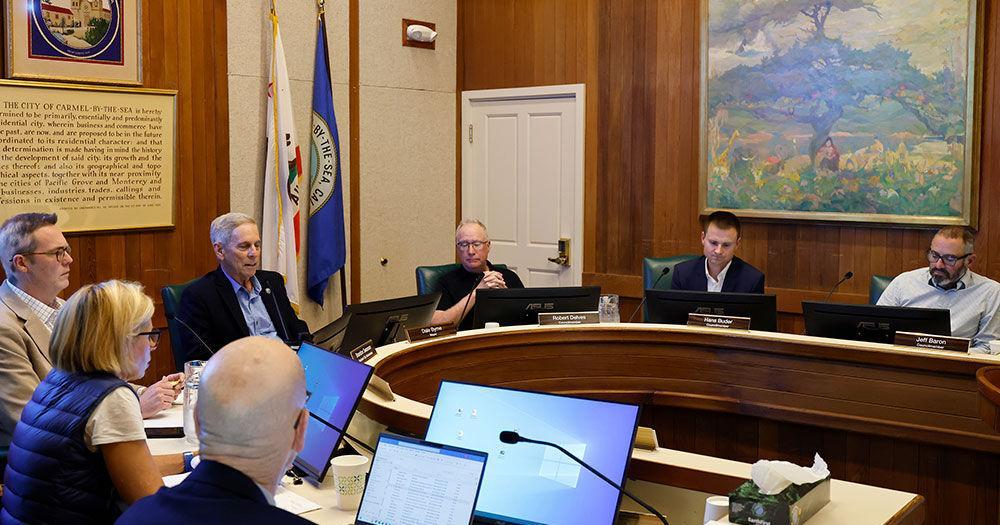
Carmel-by-the-Sea has approved a housing plan amendment that replaces controversial city-owned housing sites with alternative strategies such as hotel-to-residential conversions, downtown live/work options, mixed-income incentives, religious facility-owned property, and accessory dwelling units. The split vote could offer a model for other small cities trying to meet state housing goals while responding to local concerns.