
By Richard Davis, AICP, September 21, 2026
Four California stories cover environmental legislation, a transportation project, data center zoning, and proposed retail rules. Byron Sher, who wrote major state laws on clean air, drinking water, recycling, pollution, and climate policy, died at 98. Napa delayed certification of the environmental report for the Five-Way Intersection project and directed staff to meet with the family whose “Christmas Tree House” would be demolished under the current proposal. Eureka directed staff to draft zoning rules that could allow smaller data centers in industrial areas while potentially banning larger facilities. San Jose is studying self-checkout rules involving item limits, staffing ratios, staffed lanes, and restricted merchandise.

Byron Sher, a Stanford law professor and longtime California legislator, died at age 98. He authored major laws addressing clean air, safe drinking water, groundwater protection, recycling, and pollution. His 1988 legislation was the first state law to use the term “global warming” and helped lay the groundwork for later climate policy
Published by: Mercury News

The Napa City Council delayed certification of the environmental report for the Five-Way Intersection project. Council members directed staff to meet with the family of 83-year-old resident Charlie Rossi. Rossi’s well-known “Christmas Tree House” would be demolished under the current proposal.
Published by: Napa Valley Register
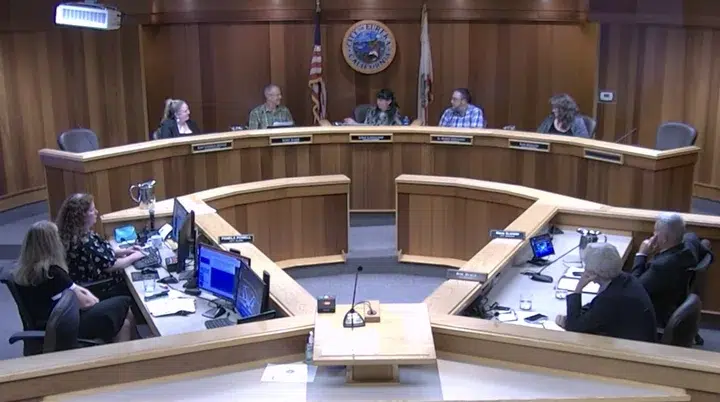
The council directed staff to draft zoning rules that could allow data centers of 20,000 square feet or less in industrial areas while potentially banning larger facilities. Proposed projects would require a conditional use permit and public review. The action followed a 45-day moratorium adopted while the city studies electricity, water, noise, safety, and land-use impacts.
Eureka issued one of several data center moratoriums written about this week. Others happened in San Francisco, Richmond, Gilroy, and Arcata.
Published by: Lost Coast Outpost
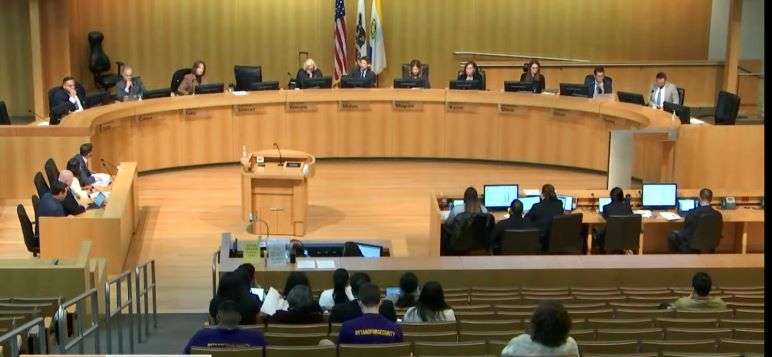
A City Council committee voted to study rules including a 15-item limit, one employee for every three kiosks, and at least one staffed lane whenever self-checkout is open. The proposal would also bar tobacco and locked merchandise from self-checkout. It remains under review and has not become law; city officials cited up to $400,000 in annual sales-tax losses linked to retail theft.
Published by: Mercury News