
By Richard Davis, AICP Candidate, September 14, 2026
Five recent Bay Area stories reveal how infrastructure decisions are shaping safety, mobility, climate resilience, and housing. BART credits its new fare gates with a sharp decline in rider crime and safety-related delays. In Palo Alto, rising costs are pushing officials to reconsider the scope of long-planned rail grade separations and prioritize the busiest crossing. Across the shoreline, nature-based infrastructure is moving from concept to practice: a new regional guide surveys approaches such as oyster reefs, living shorelines, and horizontal levees, while Palo Alto Baylands has opened the Bay Area’s first living levee. In West Marin, a landmark 54-home affordable housing project is advancing, even as its roughly $1 million-per-unit price underscores the cost and complexity of building in constrained communities. Together, these developments show that resilient public investment requires measurable outcomes, realistic priorities, and solutions designed for local conditions.
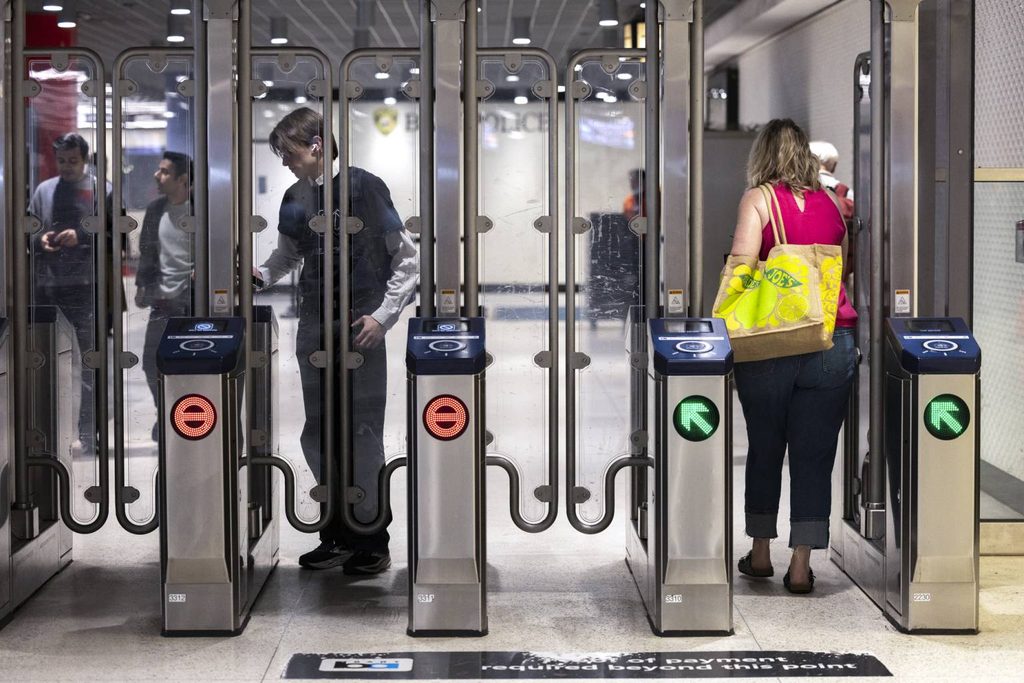
One year after BART completed next-generation fare gates at all 50 stations, the agency reports crimes against riders fell 67% per million trips and police- and safety-related delays dropped 47%. Officials also cite less visible fare evasion, stronger revenue, and a more reliable rider experience—while acknowledging that fare evasion remains a challenge.
Published by: KQED
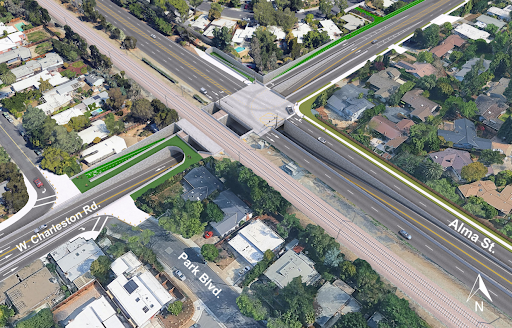
With projected costs for three grade-separation projects exceeding $1.5 billion, Palo Alto leaders are considering narrowing their rail redesign effort to Charleston Road. The decision highlights a familiar infrastructure challenge: balancing safety and mobility goals against funding realities, property impacts, and long-term feasibility.
Published by: Palo Alto Online
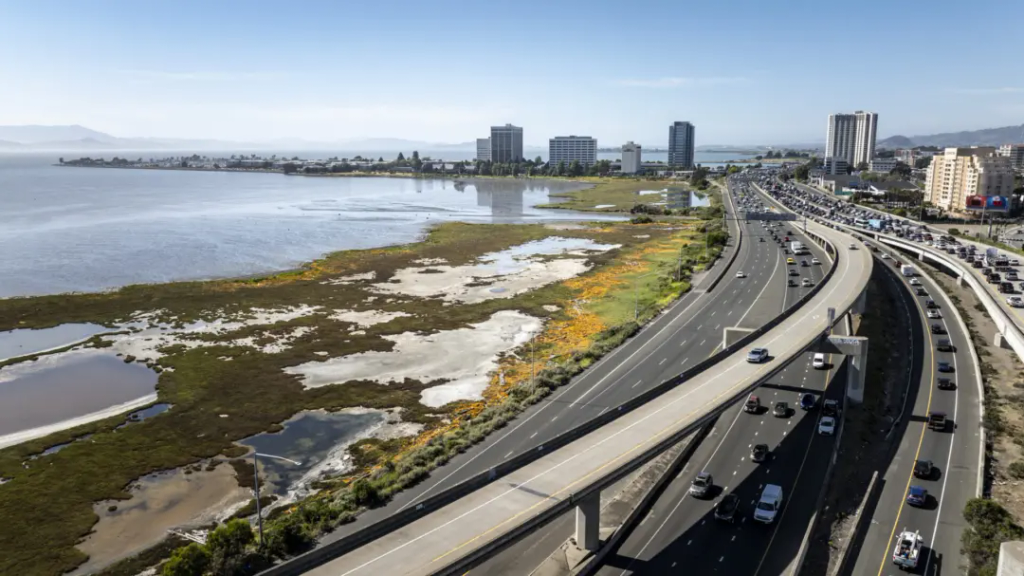
With projected costs for three grade-separation projects exceeding $1.5 billion, Palo Alto leaders are considering narrowing their rail redesign effort to Charleston Road. The decision highlights a familiar infrastructure challenge: balancing safety and mobility goals against funding realities, property impacts, and long-term feasibility.
Published by: Kneedeep Times
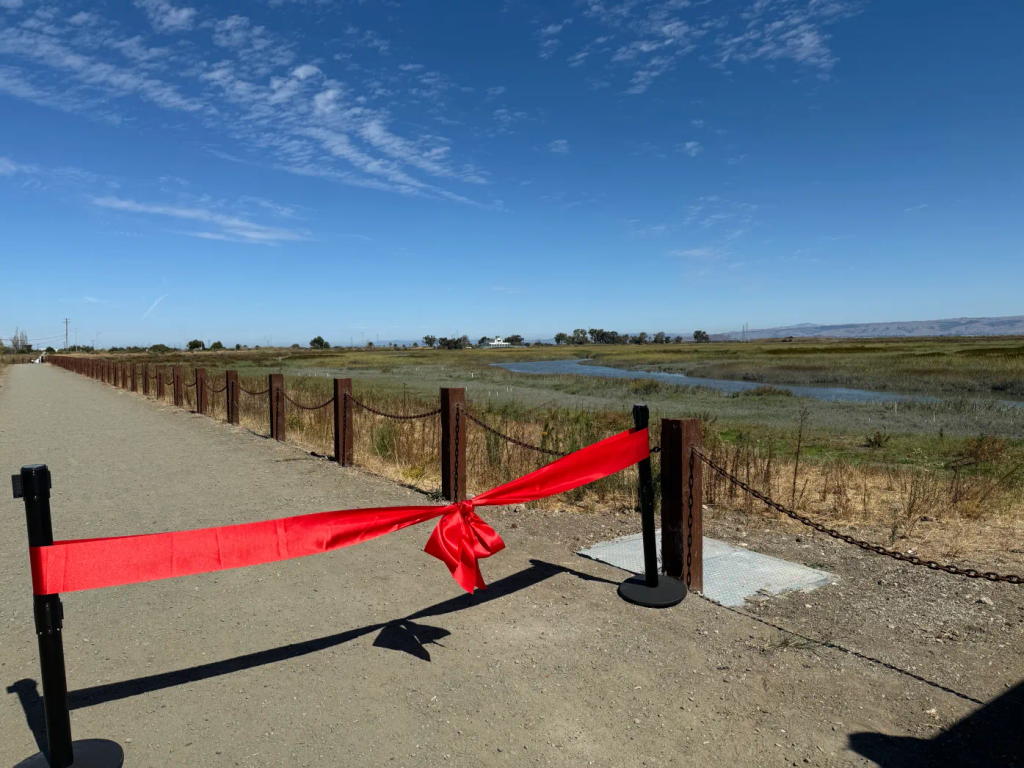
The Bay Area’s first horizontal “living levee” has opened at Palo Alto Baylands. The roughly 500-foot, vegetated shoreline includes more than 2,000 native plants and is designed to buffer rising seas, filter treated wastewater, and expand marsh habitat—offering a potential model for climate adaptation around the Bay.
Published by: Mercury News
West Marin’s biggest affordable housing project in decades moves ahead—at $1 million per home [paywall]
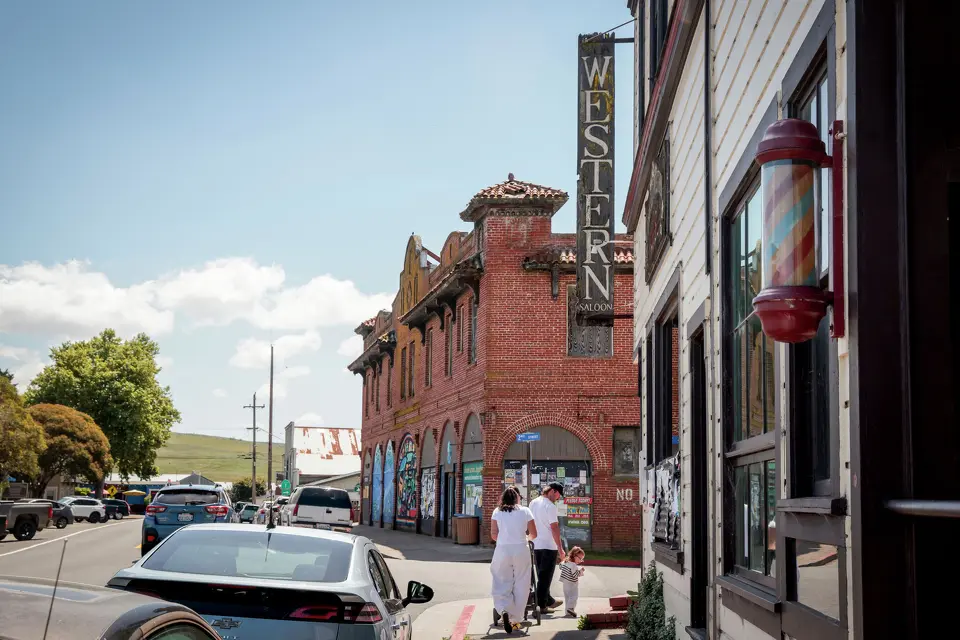
Tamalko Homes, a 54-unit affordable rental community planned for a former Coast Guard site near Point Reyes Station, is moving toward construction after securing $27 million in tax-credit financing. Its estimated $55.4 million cost—about $1 million per home—reflects complex rehabilitation, infrastructure, labor, financing, and insurance demands in a rural coastal market with acute workforce-housing needs.
Published by: San Francisco Chronicle