
By Richard Davis, AICP, October 5, 2026
Across the Bay Area, local leaders and residents are wrestling with decisions that shape who can live in a community, how neighborhoods grow, and what it takes to keep city centers accessible. In Mill Valley, the proposed 45-unit Bayfront Terrace affordable housing development has become a test of the city’s inclusion goals. Although the City Council approved the project, neighborhood lawsuits argue that placing it in a comparatively diverse, less affluent area could reinforce existing segregation, leaving the development in legal limbo.
Berkeley is taking a different approach to housing supply. The City Council unanimously raised the height limit along the 2.3-mile San Pablo Avenue corridor from three stories to seven. Supporters say denser housing can create more homes and support local businesses, while critics warn of gentrification, displacement, and insufficient protections for tenants and small merchants.
In Richmond, the opening of the Tiny House Village, Farm and Garden offers a community-driven response to youth homelessness. The 13-unit emergency housing community serves unhoused young adults ages 18 to 24 and includes furnished units, shared facilities, community space, and a garden. The project reflects years of collaboration and expands Richmond’s emergency housing capacity for young people.
Meanwhile, San Jose modified a controversial downtown parking proposal after strong public pushback. The city kept street meter rates and hours unchanged for now but increased municipal garage rates from $4 to $5 per hour after the first free 90 minutes. Special-event garage fees will range from $15 to $35, discounted parking eligibility will expand for downtown workers, and city staff will continue studying revenue and infrastructure needs.
Together, these stories show Bay Area communities pursuing affordability, inclusion, and economic vitality through different policy tools—and confronting the tradeoffs that come with each choice.
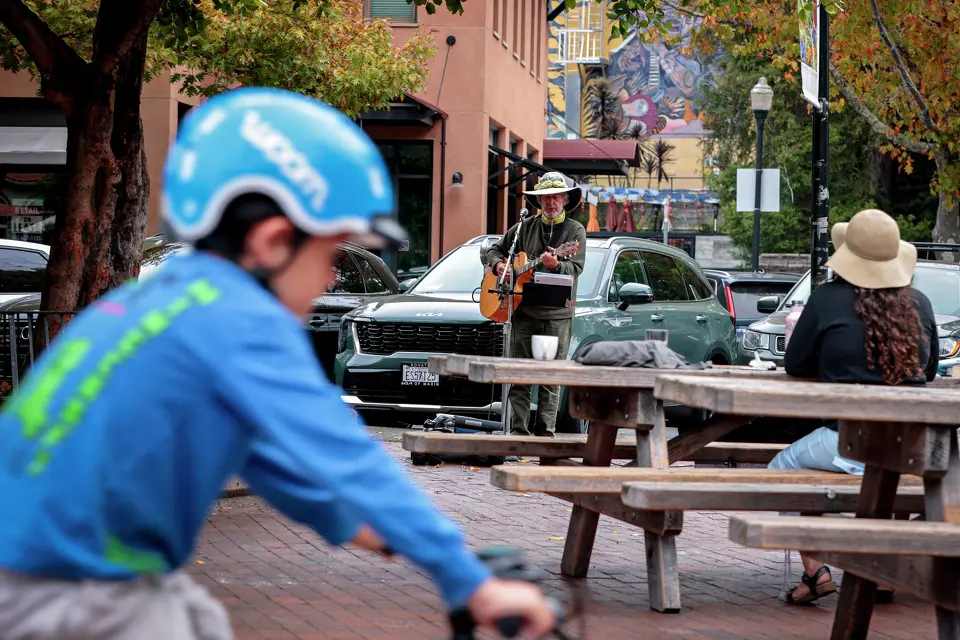
Mill Valley affordable housing: A proposed 45-unit affordable housing development has sparked a legal battle over whether its location will promote inclusion or reinforce segregation.
Published by: San Francisco Chronicle [paywall]
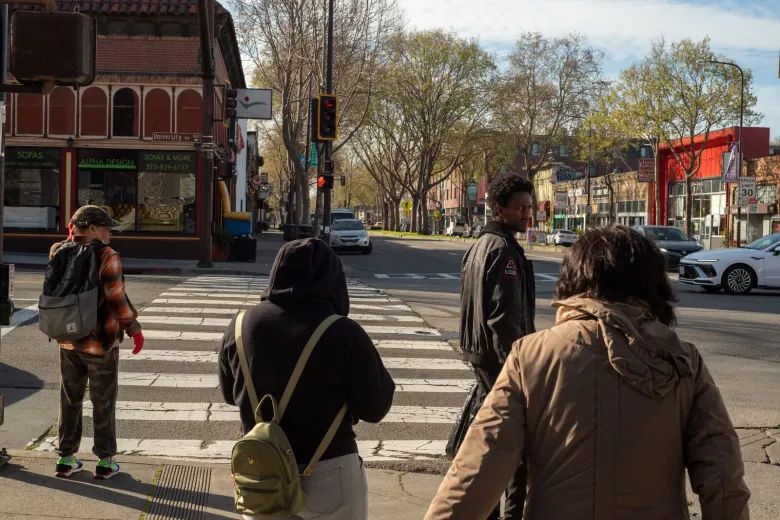
Berkeley approved seven-story height limits along San Pablo Avenue, opening the corridor to denser housing while intensifying concerns about affordability, displacement, and small businesses.
Published by: Berkeleyside

Richmond’s new tiny-home village provides emergency housing, shared amenities and supportive services for unhoused young adults working toward stable, permanent homes.
Published by: The Mercury News [paywall]
San Jose backs off downtown parking meter hikes after backlash, raises garage rates instead [paywall]
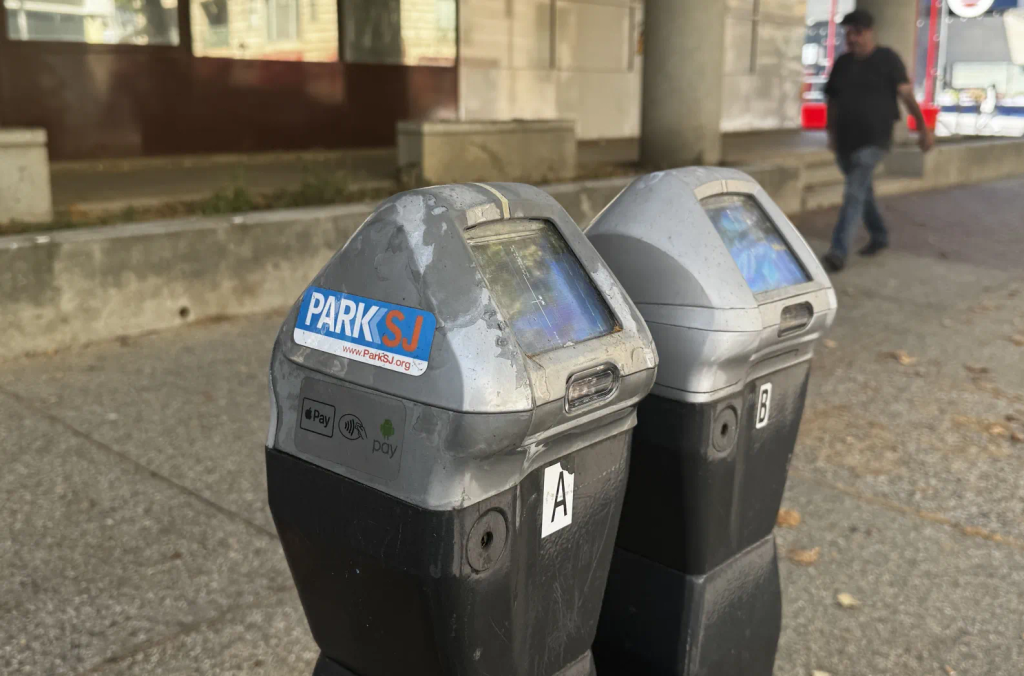
San Jose paused downtown meter increases after public opposition but raised municipal garage and special-event rates while expanding parking discounts for eligible workers.
Published by: The Mercury News [paywall]