
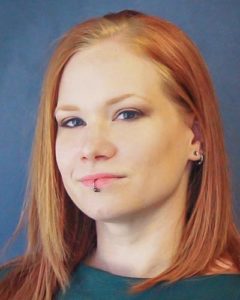
 Della Acosta, University Liaison, is a senior planner on the long-range planning team at Rincon Consultants, leading community planning, sustainability, and community engagement work. Acosta will be working to connect university programs to the APA through information and events. She holds a degree in city/urban, community and regional planning from Sonoma State University.
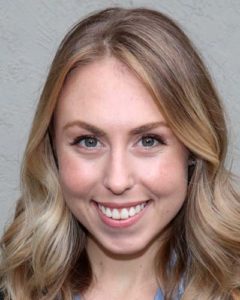 Danae Hall, Co-director, Young Planners Group, is a transportation and land use manager at Circlepoint. Hall has been an active member of YPG since late 2017, participating as a member of the South Bay steering committee. She holds an M.S. in environmental management from the University of San Francisco and a B.A. in environmental economics from California State University, Chico.
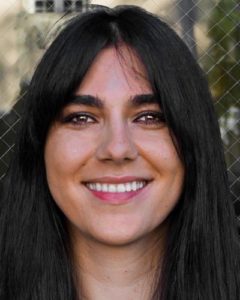 Marta Polovin, Student Representative, UC Berkeley, first year graduate student, College of Environmental Design, is working toward a master of city planning (concentration in transportation). Before Berkeley, Polovin was a legal assistant/land use analyst at Harding Larmore, Santa Monica. She holds a B.A. in human biology and society from UCLA, with a minor in urban and regional planning.
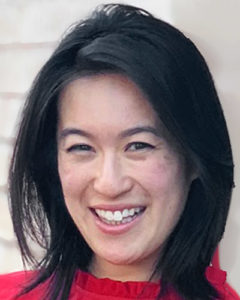 Ellen Yau, Mentorship Director, is an associate planner with the city of Cupertino. She is on the host committee for APA’s 2019 National Planning Conference in San Francisco. Yau’s professional interests include community art, public health, landscape and public space design, and organizational planning. She holds a master’s in planning from USC and a bachelor’s in landscape architecture from UC Davis.
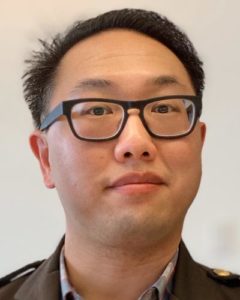 Mark Young, South Bay Regional Activity Coordinator (RAC), is a transportation security inspector (aviation) with TSA. Young has been active with the Young Planners Group as a member of the South Bay Steering Committee. He holds a master of urban planning, a bachelor of science in civil engineering, and a graduate certificate in transportation security management, all from San Jose State.