
By Richard Davis, AICP Candidate, July 20, 2026
The Bay Area is entering a defining moment for housing, public investment, and economic development. Recent headlines point to several major shifts: Oakland’s Coliseum sale advancing toward final approval, a historic regional wealth transfer reshaping family finances, California’s first standalone ADU condo sale creating a new ownership model, new federal housing legislation becoming law, and the Port of San Francisco launching lease incentives to attract waterfront businesses.
Taken together, these developments show how the region is rethinking land use, affordability, inheritance, and long-term economic resilience. For real estate professionals, community leaders, and local residents, the key question is how these changes can translate into broader opportunity across the Bay Area.

Oakland’s City Council advanced the sale of the Oakland Arena and Coliseum Complex, moving a long-running redevelopment effort closer to completion. The deal is expected to bring new revenue, reduce public maintenance costs, and open the door for future jobs, entertainment, and economic development in East Oakland.
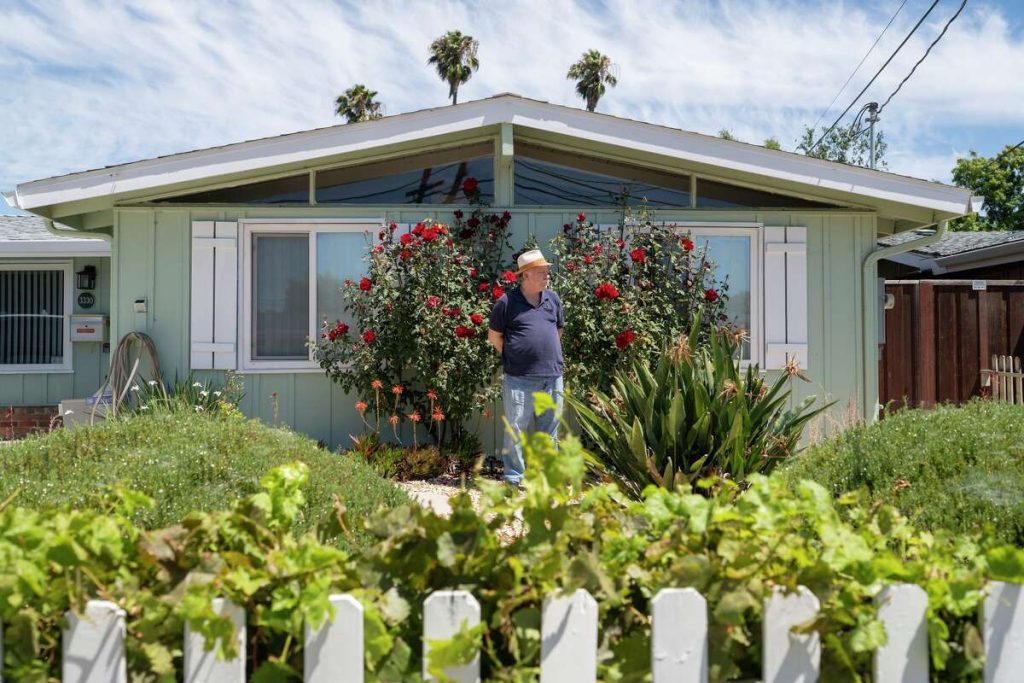
The Bay Area is expected to play a major role in the coming Great Wealth Transfer, but much of that wealth is tied up in home equity rather than cash. As older homeowners pass assets to the next generation, families may face complicated decisions about inheritance, affordability, taxes, and whether they can remain in the region.
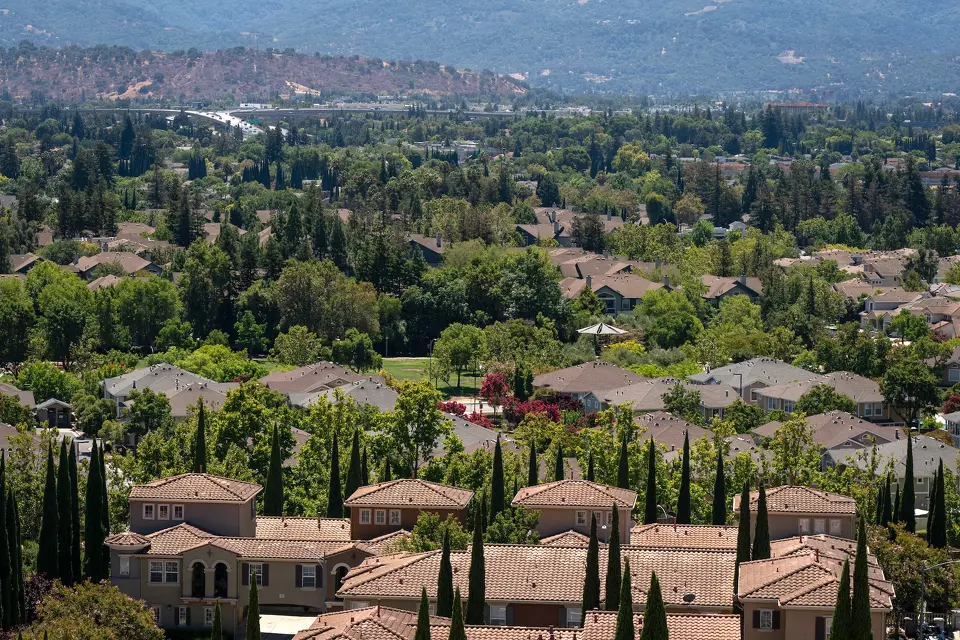
San Jose’s first standalone ADU condo sale marks a new path to homeownership in California. By allowing an accessory dwelling unit to be sold separately from the main property, the transaction could become a model for expanding lower-cost ownership options in high-priced housing markets.
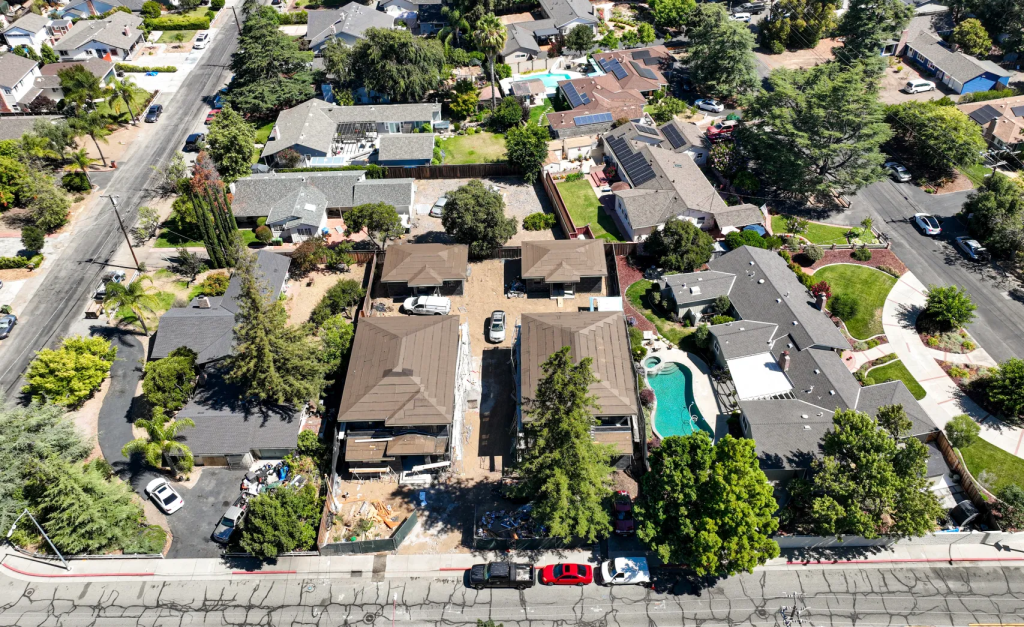
A major bipartisan federal housing law aims to increase housing supply through regulatory changes, pilot programs, and incentives for new construction. While experts caution that it is unlikely to deliver immediate affordability relief in the Bay Area, the law could support longer-term efforts to build more homes and reduce barriers to development.
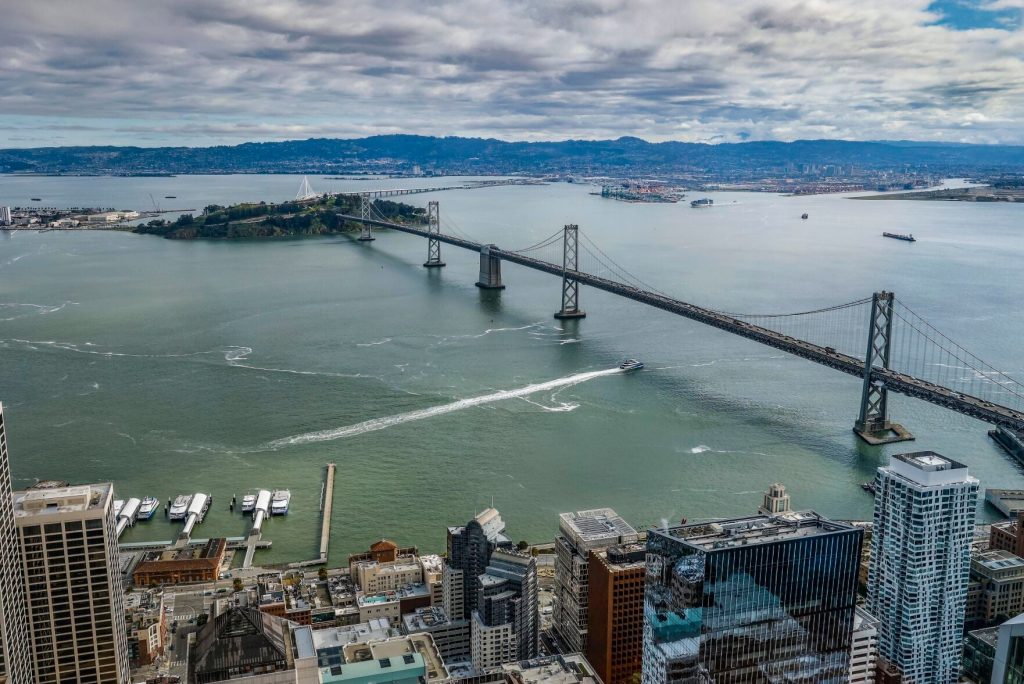
The Port of San Francisco is launching a Blue Economy Initiative to attract maritime, clean energy, tourism, technology, and environmental businesses to the city’s waterfront. Through lease discounts and tenant-improvement incentives, the multiyear effort is designed to support job creation, waterfront investment, Bay health, and sustainable maritime innovation.