
By Richard Davis, AICP Candidate, August 10, 2026
Across Northern California, big questions about growth, climate resilience, transportation equity, and agricultural preservation are converging. A proposed $365 million event center in the Tri-Valley could create a major regional destination, but community support is far from unanimous. Meanwhile, a powerful El Niño may bring heightened storm surges, king tides, flooding, and ecological disruption—even though heavier Bay Area rainfall is not guaranteed. In the East Bay, a Caltrans study suggests lifting the long-standing I-580 truck ban would shift thousands of trucks from I-880 while delivering only modest health gains and raising new concerns for communities along both corridors. Farther north, Sonoma County growers and investors are searching for ways to protect the historic Gravenstein apple industry after the region lost more than 90% of its acreage and one farm reported a harvest at just 3% of its annual average. Together, these stories underscore the need for decisions that balance economic opportunity with community voice, environmental preparedness, public health, and the preservation of local heritage.

Accessory dwelling units are emerging as a meaningful part of the housing picture in some of the Bay Area’s wealthiest communities. This article considers how ADUs are helping cities move toward state housing goals—and what that progress may reveal about the role of smaller, incremental housing options in addressing regional need.
Published by: San Francisco Chronicle
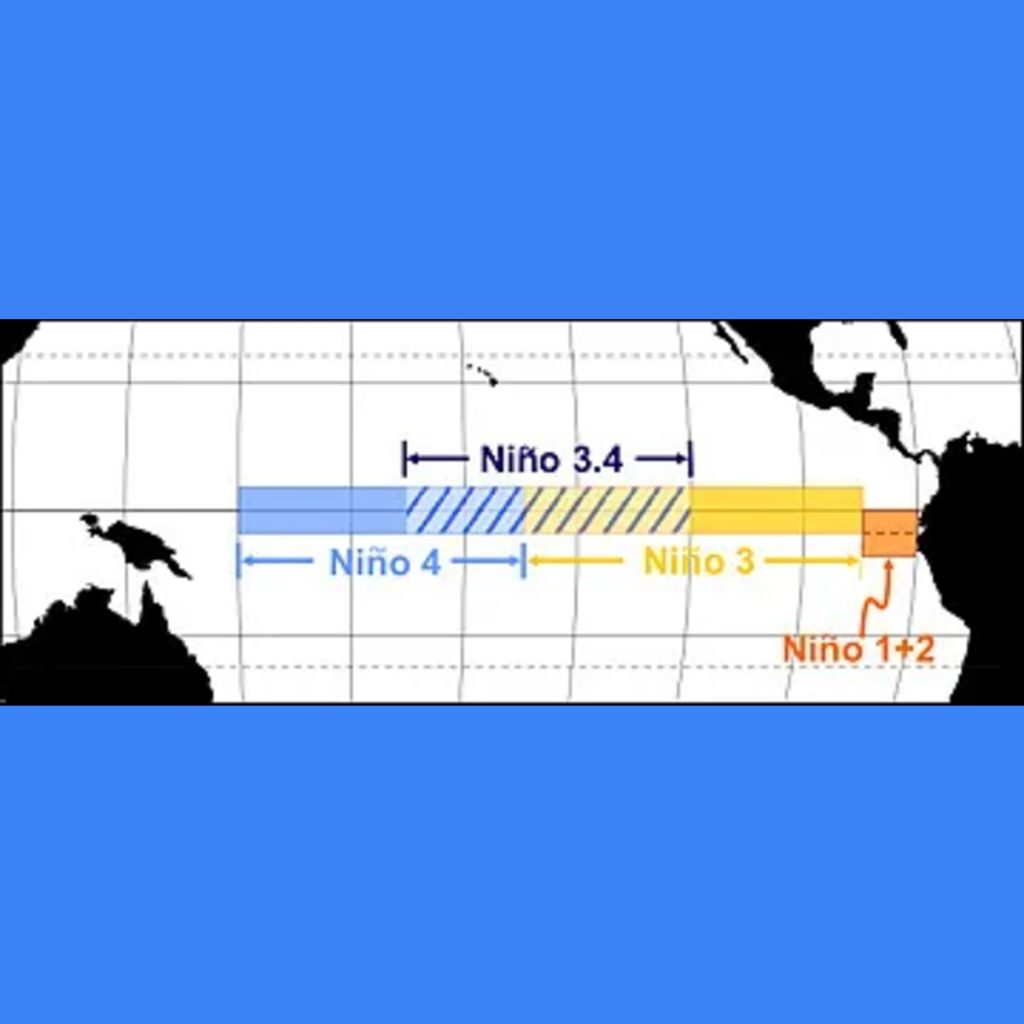
An exceptionally strong El Niño is developing in the tropical Pacific, raising the Bay Area’s risk of higher sea levels, storm surges, king tides, flooding, and disruptions to wildlife and coastal ecosystems. Climate scientists caution, however, that even a “super” El Niño does not guarantee an unusually wet local winter, making preparation essential despite substantial uncertainty.
Published by: Bay Nature
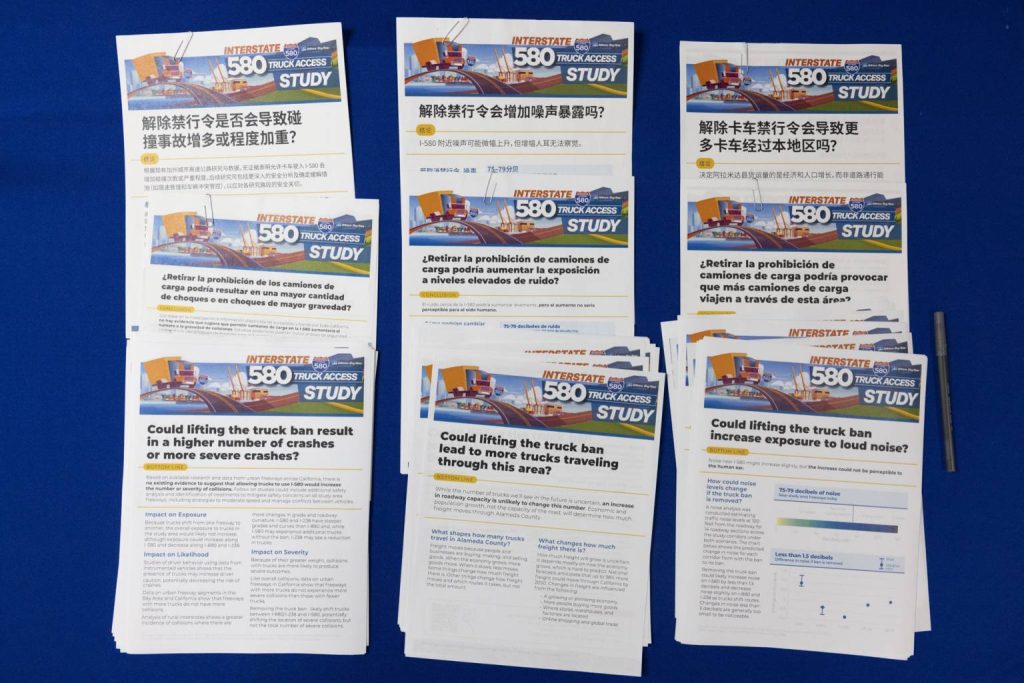
A preliminary Caltrans study finds that lifting the decades-old ban on heavy trucks along I-580 could add roughly 3,800 large vehicles to that corridor each day while reducing truck traffic on I-880. The projected health improvements are modest, intensifying debate over pollution, sensitive sites, congestion, and transportation equity for East Bay communities along both freeways.
Published by: KQED
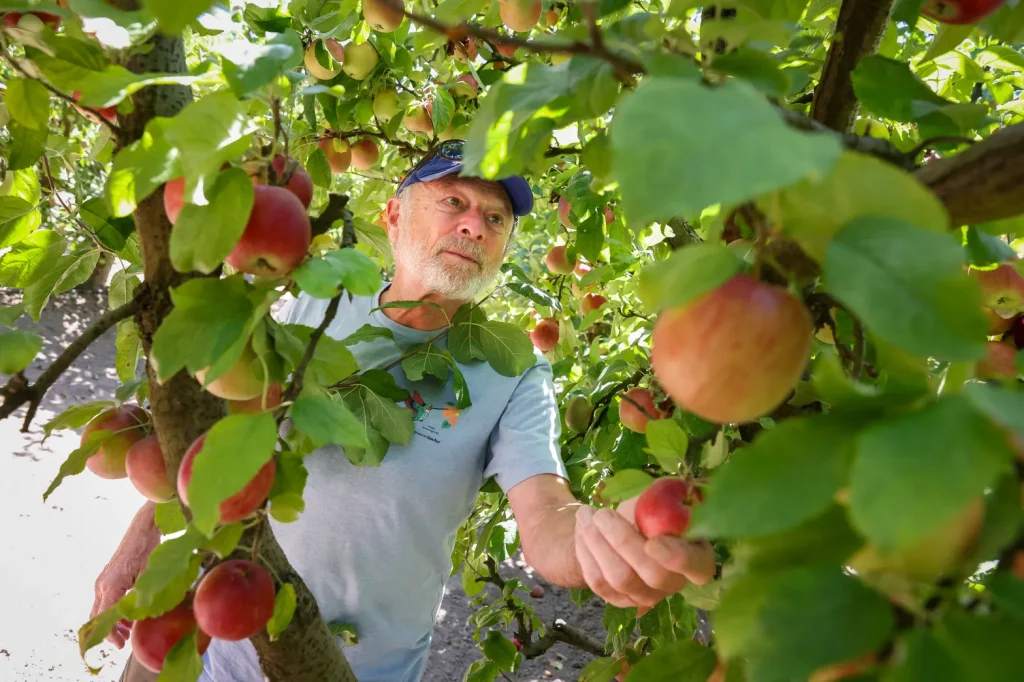
Sonoma County’s historic Gravenstein apple industry is at a crossroads after losing more than 90% of its acreage and enduring an exceptionally poor harvest. With one longtime farm producing just 3% of its annual average, growers and community investors are exploring ways to preserve the crop, strengthen the business model, and create opportunities for a new generation of apple farmers.
Published by: Press Democrat