
By Haeseo (Hazel) Choi
.
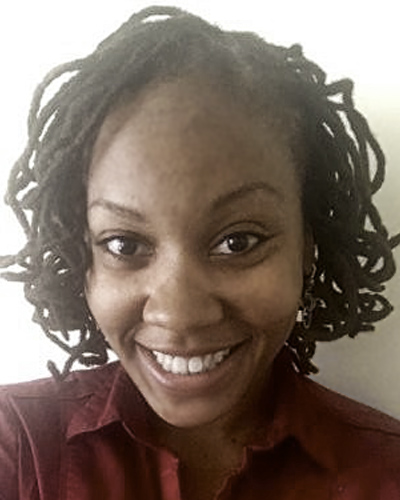
Erica Baptiste is now Principal Planner and Planning Manager at Metropolitan Planning Group (M-Group). She previously was a senior planner at the City of Jersey and before that an urban planner with the Manhattan Borough President’s office. Baptiste also had been a community planner for Manhattan Community Board 4, from 2013 to 2015. She holds an MS in city and regional planning from Pratt Institute and a BA in architecture and community design from the University of San Francisco.
.
.
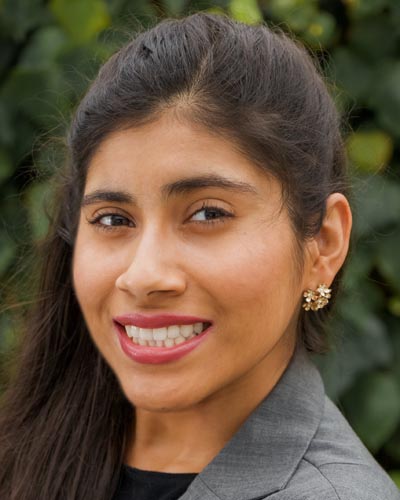 Diana Benitez is Urban Planning Justice Manager with Just Cities, LLC. She had been an intermediate planner/ designer at Raimi + Associates and before that a Data and Research Analyst at Advancement Project California. Benitez holds a UCLA master’s in urban and regional planning with a focus on community and economic development at the intersection of the built environment and health and a BA in urban studies and planning (minor in GIS) from CSU Northridge. She is Northern Section’s Planners4Health Coordinator and the APA California P4H Initiative Chair.
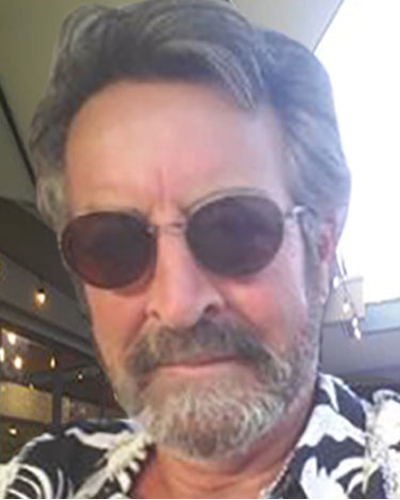 James M. Moore is now a Senior Planner at the County of Maui. He previously was a principal consultant on land use, environmental planning, urban design, and mixed-use infill development strategies for private clients and/or Bay Area municipalities from 2017 to 2021. Moore served as director of planning and building services for the Town of Fairfax from 2009 to 2016. He holds an MCP and a BA in political science from UC Berkeley.
.
 Himangi Mutha, AICP, is an Associate Planner at the County of San Benito (Hollister). Previously, she was a planner at the City of Destin, Florida, creating ordinance amendments to the general plan and land development code, and processing tentative survey maps and subdivision planning projects. Mutha holds a master’s in city and regional planning from the University of Texas at Arlington and a B.Arch from Savitribai Phule Pune (India) University. She also studied Machine Learning (ML) in Urban Planning at Columbia University, 2021.
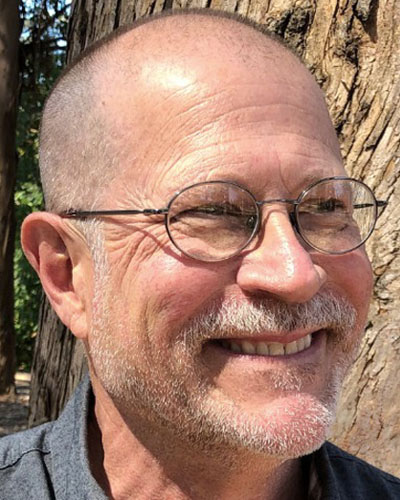 Matthew Taecker, AICP, is now a Senior Urban Designer and Planner at Wallace Roberts & Todd. Prior to joining WRT, he was manager of Station Area Planning for California’s High-Speed Rail Authority at WSP USA. Taecker led his own urban planning and design firm from 2013 to 2020. He was the principal planner for the downtown area of Berkeley from 2005–2011, and a principal at Calthorpe Associates, 1990–2001. Taecker holds master’s degrees in architecture and in city planning from UC Berkeley and a BA from the University of Chicago in urban policy and economics. He is an emeritus member of the California Planning Roundtable and has taught urban design at USC, UC Davis, and UC Berkeley.
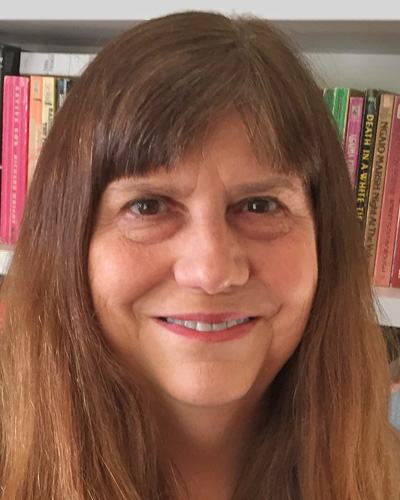 Elizabeth “Libby” Tyler, Ph.D., FAICP, who previously was Planning Manager at the City of San Pablo, is now the city’s Community Development Director. She was community development director for Urbana, Illinois, from 2000 to 2017. Tyler holds a Ph.D. in regional planning from the University of Illinois at Urbana-Champaign, an MLA in environmental planning from UC Berkeley, and a BA in environmental conservation from the University of Colorado, Boulder. She is Ethics Review Director for APA California – Northern and is on the steering committee for PHEAL (Planning for Health, Equity, Advocacy, and Leadership). Tyler is vice-chair of APA National’s Equity, Diversity, and Inclusion Committee, and in 2008 was the first woman in Illinois to be inducted to FAICP.
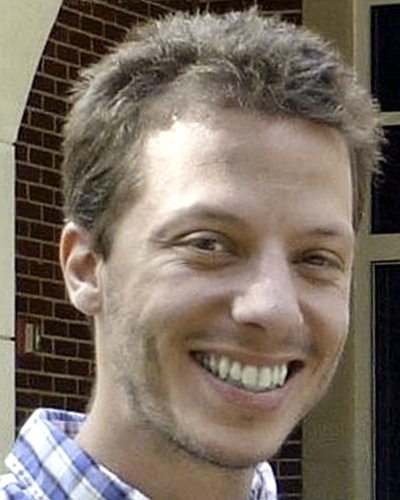 Michael Wooley-Ousdahl, AICP, has been named Northern Section’s SF RAC (Regional Activity Coordinator, San Francisco). He is a transportation planning and operations manager for Google, overseeing their global shuttle programs and leading site infrastructure improvements from concept to implementation. Wooley-Ousdahl also represents Google externally in transportation planning and policy initiatives, building external relationships with public, private, and nonprofit partners. He holds master’s degrees in city and regional planning and in public administration from the University of North Carolina, Chapel Hill, and a bachelor’s in psychology and social behavior from UC Davis. In his spare time, Wooley-Ousdahl enjoys traveling to cities, riding public transit, and time with his wife Megan and two-year-old son Levi.