
By Students of the Fall 2025 Capstone Studio: Community Planning Graduate Course, San José State University, December 9, 2025
Introduction
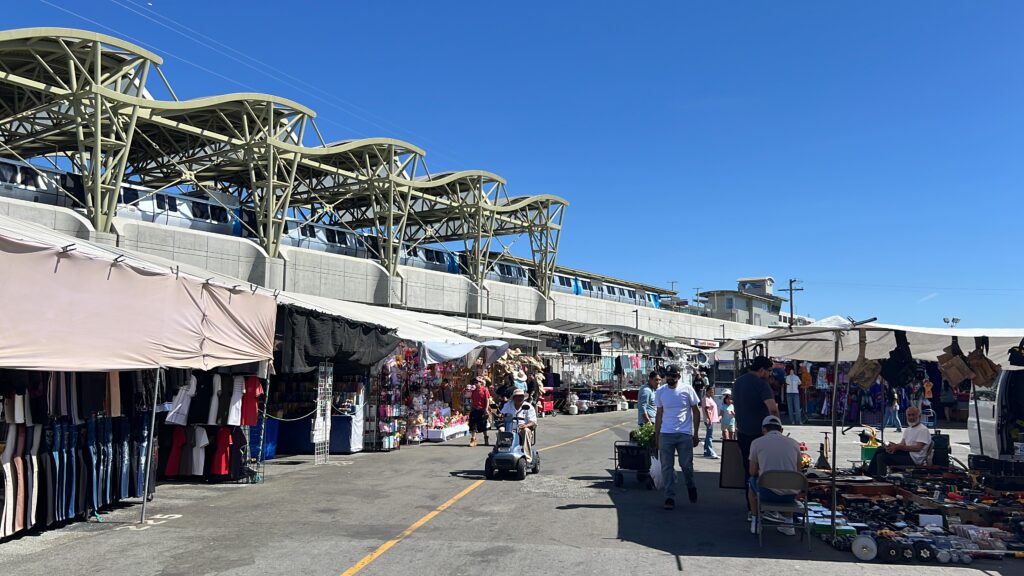
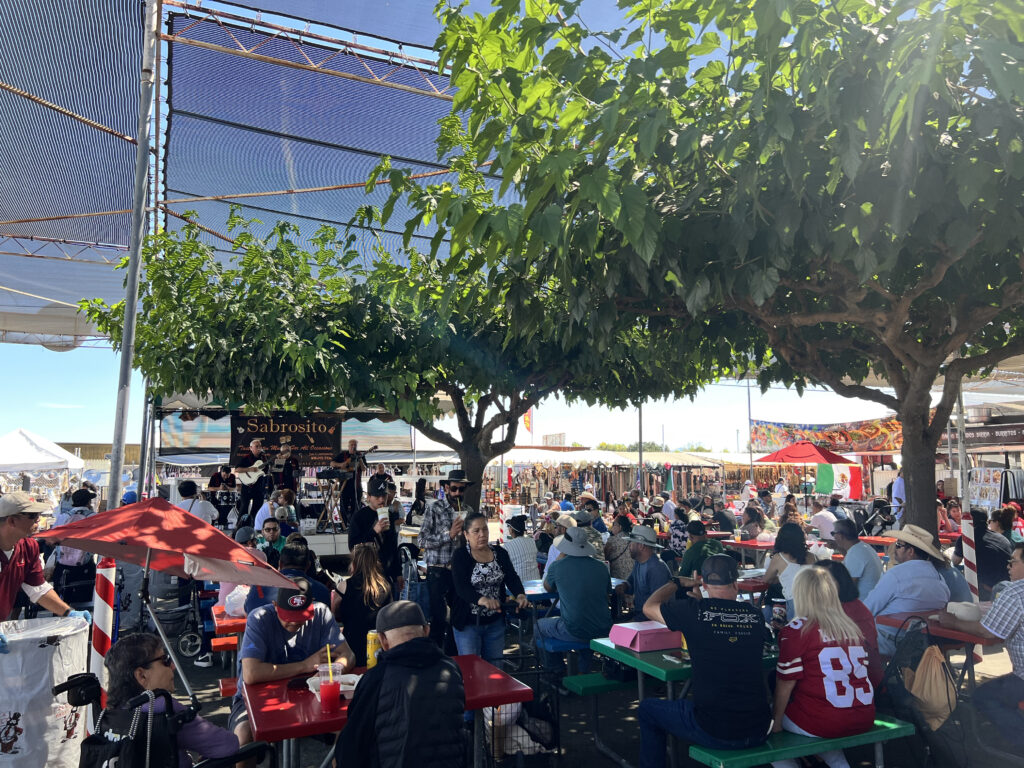
The San José Flea Market, known locally and lovingly as La Pulga (“The Flea”), is one of the most unique cultural and commercial institutions in the Bay Area. For over sixty years, it has served as a regional marketplace, an incubator for entrepreneurship, and a gathering place for diverse communities across San José, and beyond. But its future is at risk. Private development, public policy decisions, and the long-planned redevelopment of the Berryessa BART station area into an Urban Village, have placed La Pulga on a path toward likely displacement—without a confirmed relocation plan.
In Fall 2025, the San José State University Capstone Studio: Community Planning graduate cohort, calling itself the First Street Planners, undertook a semester-long research and engagement project to understand this decades-long stretch of uncertainty. Research for the semester was split into two phases.
During Phase One, the class explored the market’s history, cultural significance, community dynamics, and past research on potential relocation sites. Students revisited and critiqued the feasibility of these relocation sites, finding that financial barriers and political constraints have left most sites unrealistic for the vendors to approach.
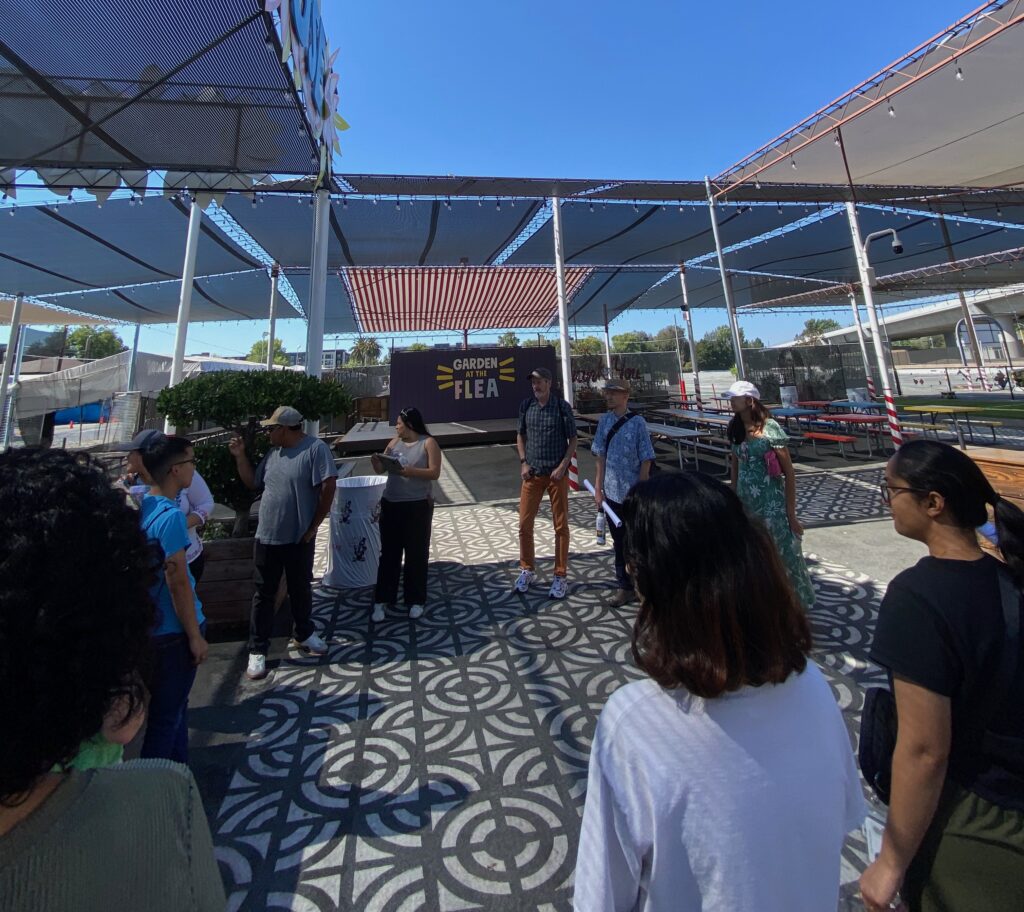
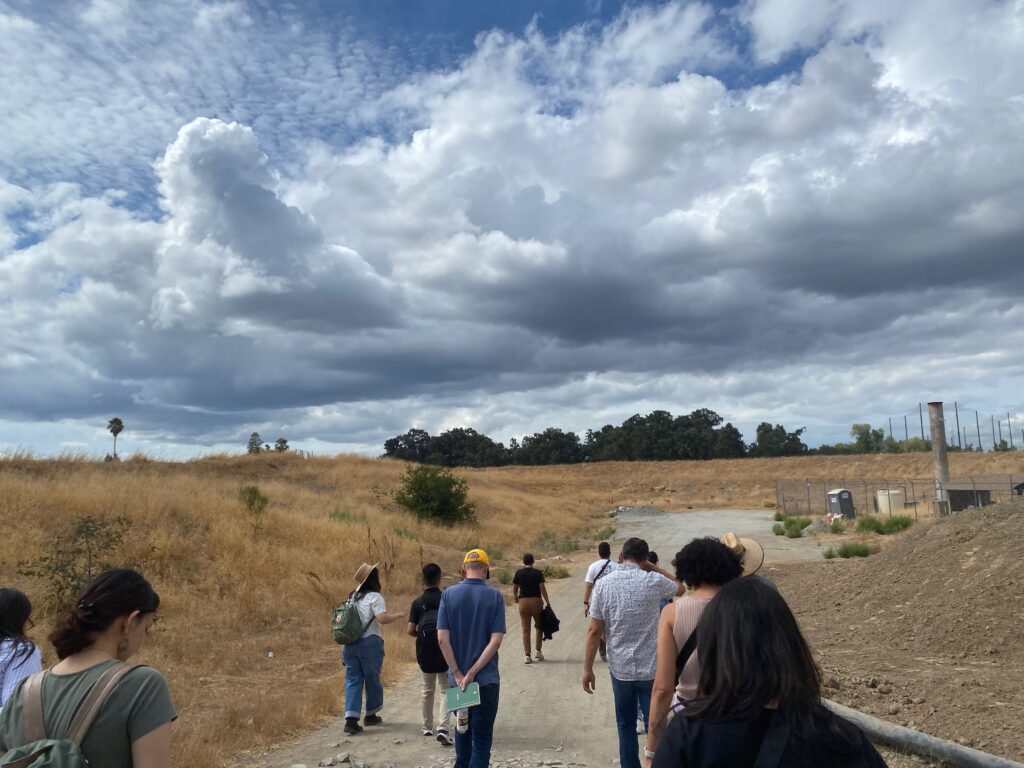
Photo credit: SJSU Capstone Students, Fall 2025
Phase Two was dedicated to a feasibility analysis of three project areas: two long-standing potential sites, (former) Singleton Landfill and the Santa Clara County Fairgrounds, and a cluster of three smaller sites in Downtown San José.
Their goals throughout the semester were to elevate the perspectives of La Pulga’s vendors and community members, to document the market’s indispensable value to San José, and to provide a more feasible path to relocation.
Our vision & purpose
The student’s purpose was to tell the full story of the San José Flea Market—its past, present, and uncertain future—and to lay the foundation for community-guided planning. Students examined: how public markets function as cultural and economic infrastructure, the history of La Pulga and its political landscape, the lived experiences of vendors and customers, the policies that have kept relocation sites unfeasible, and potential relocation sites that can truly preserve the heart of the market. The core planning question guiding the semester was: How can vendors navigate relocation pressures and political barriers while preserving community and ensuring long-term stability?
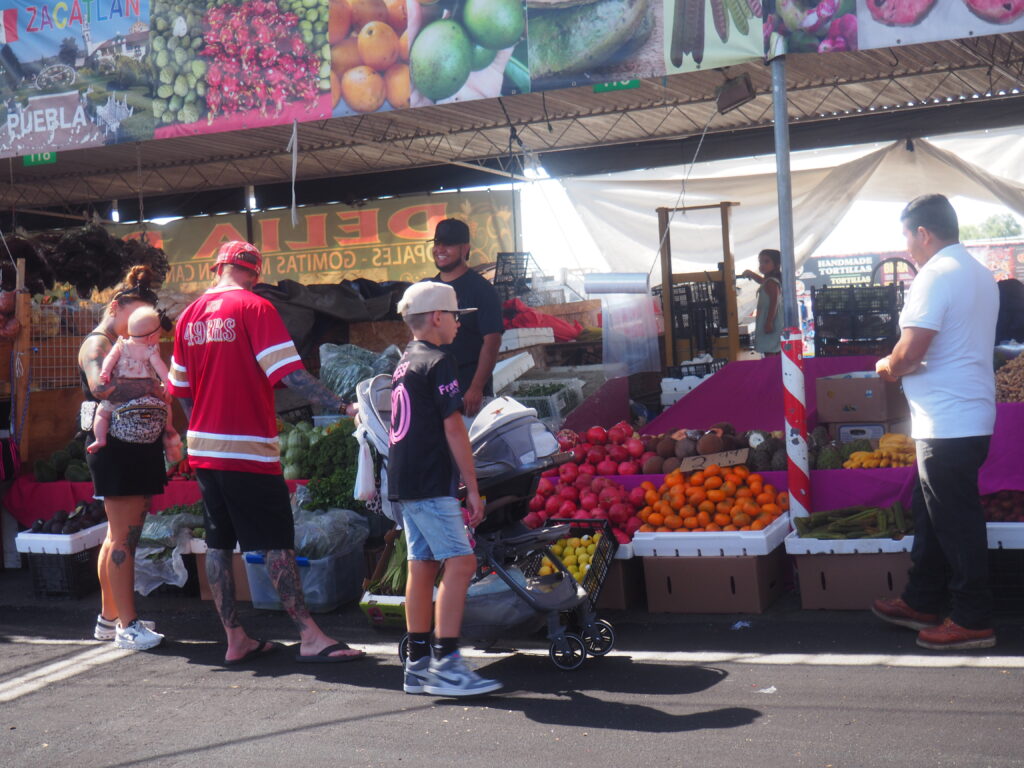
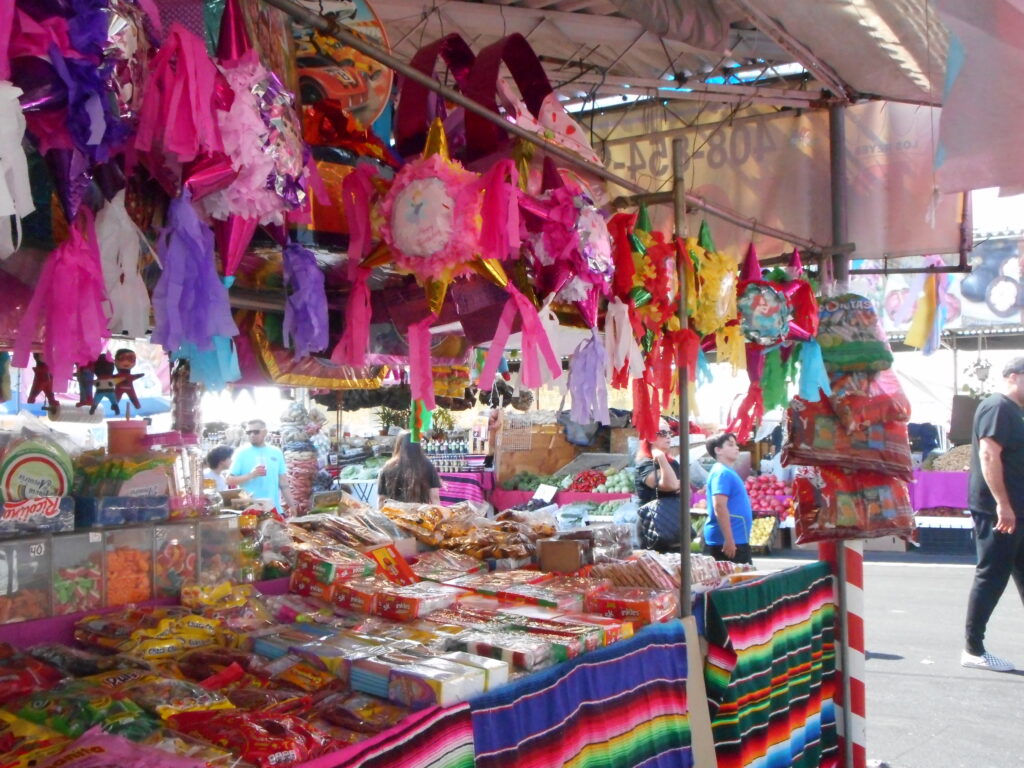
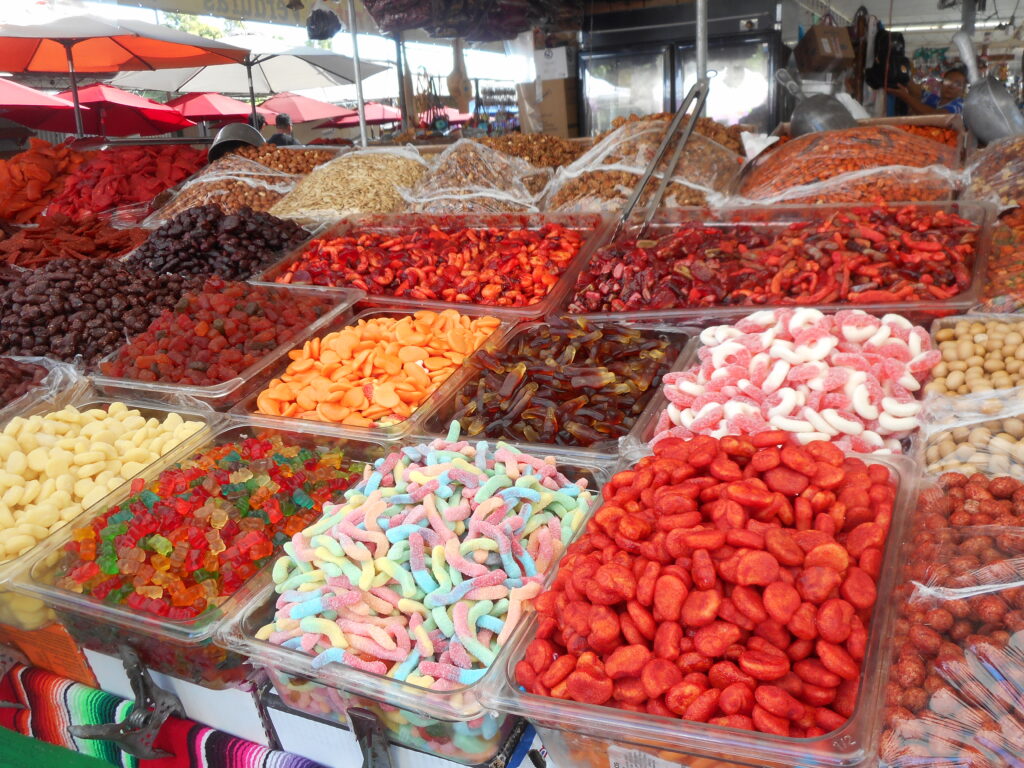
The class learned that any relocation or redesign must not simply “move vendors”—it must preserve an intricate social and economic system while safeguarding livelihoods and maintaining the community identity that has shaped La Pulga for over six decades.
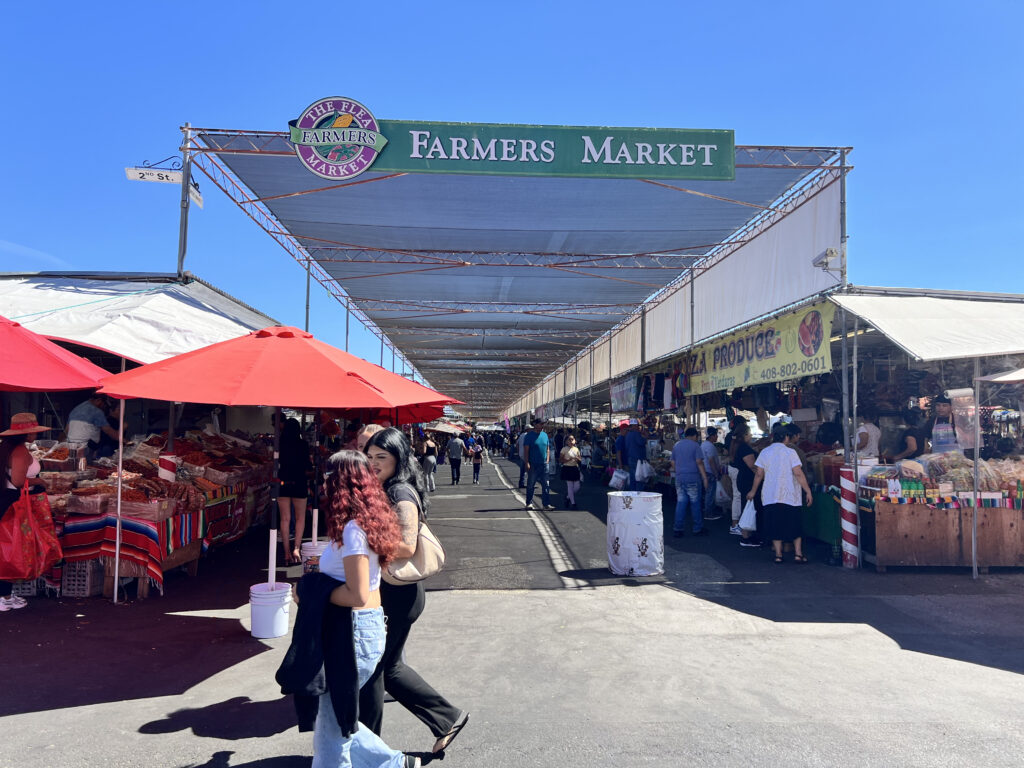
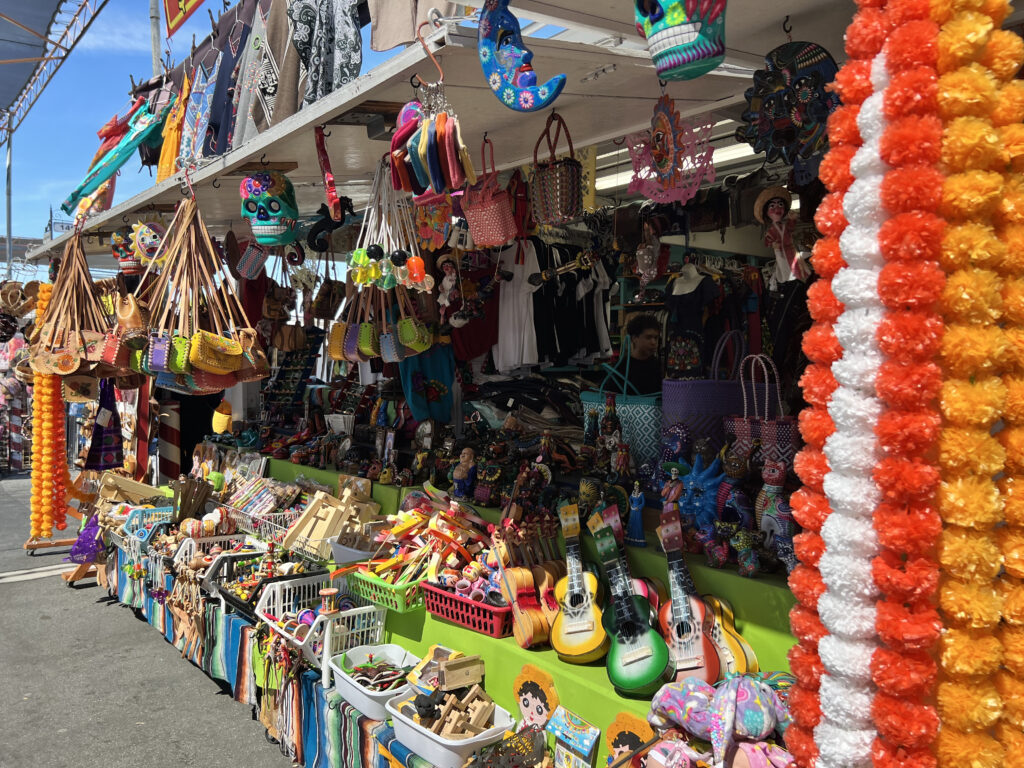
Photo credit: SJSU Capstone Students, Fall 2025
How we engaged the community
Site visits and on-the-ground observation
Throughout the semester, students conducted repeated site visits to La Pulga. They walked the aisles, spoke informally with vendors, observed daily operations, and documented the market’s physical and social environment. These visits allowed them to experience firsthand the dynamics of space, culture, and community connection that are not evident by reading planning documents alone. Students, divided into four teams, created Urban Montages based on the images and stories they collected during their visits.
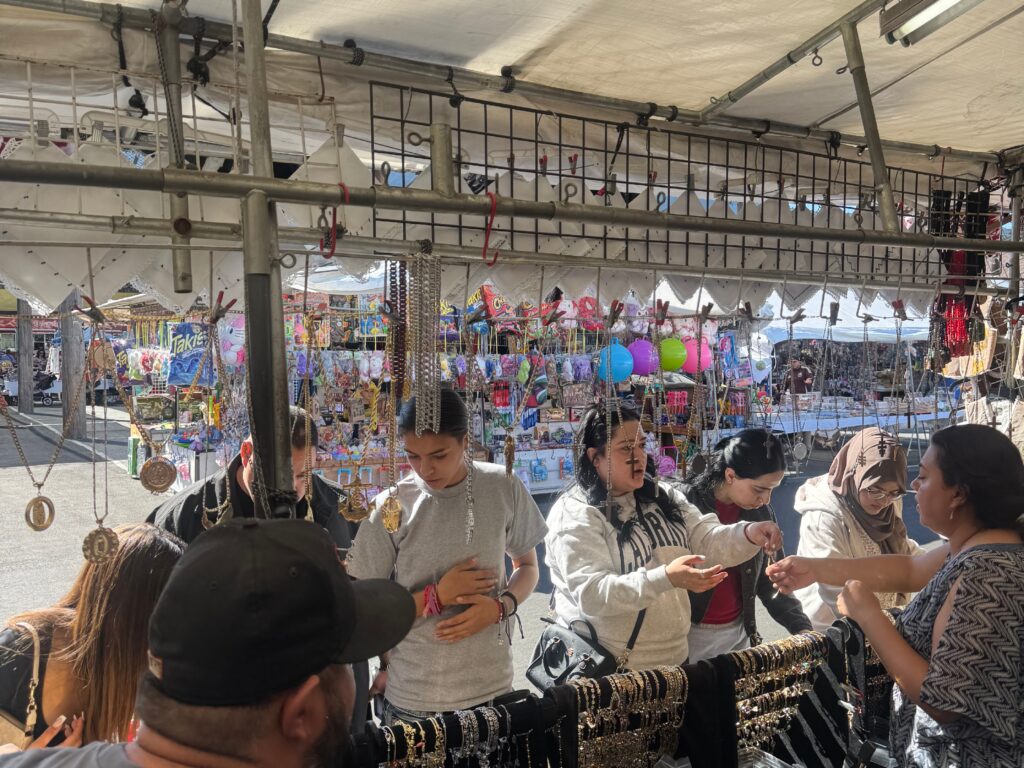
Photo credit: SJSU Capstone Students, Fall 2025
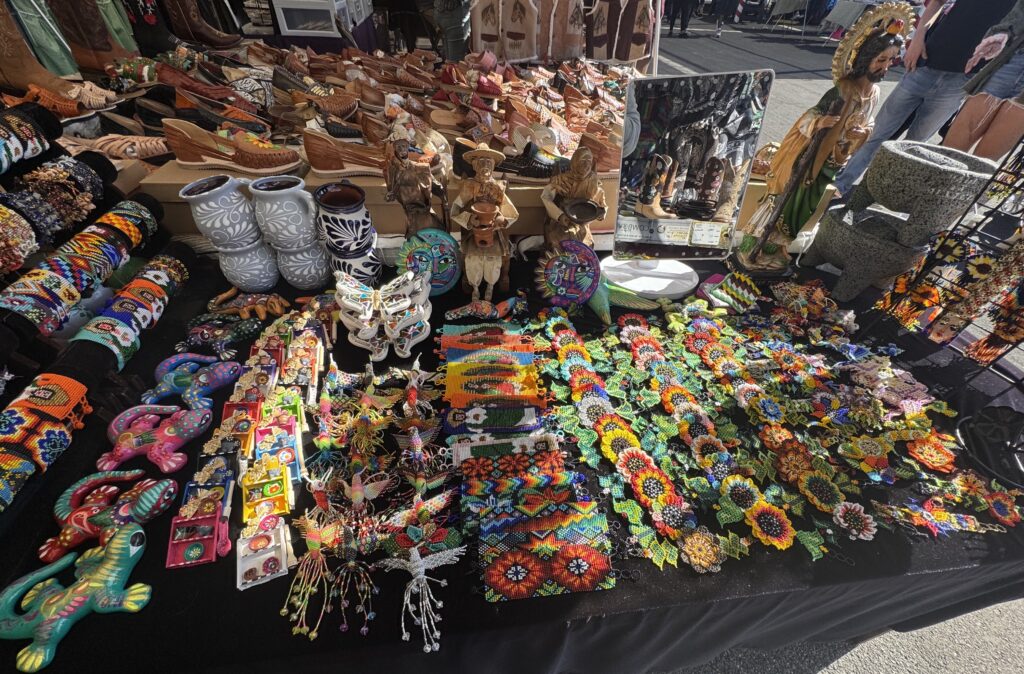
Photo credit: SJSU Capstone Students, Fall 2025
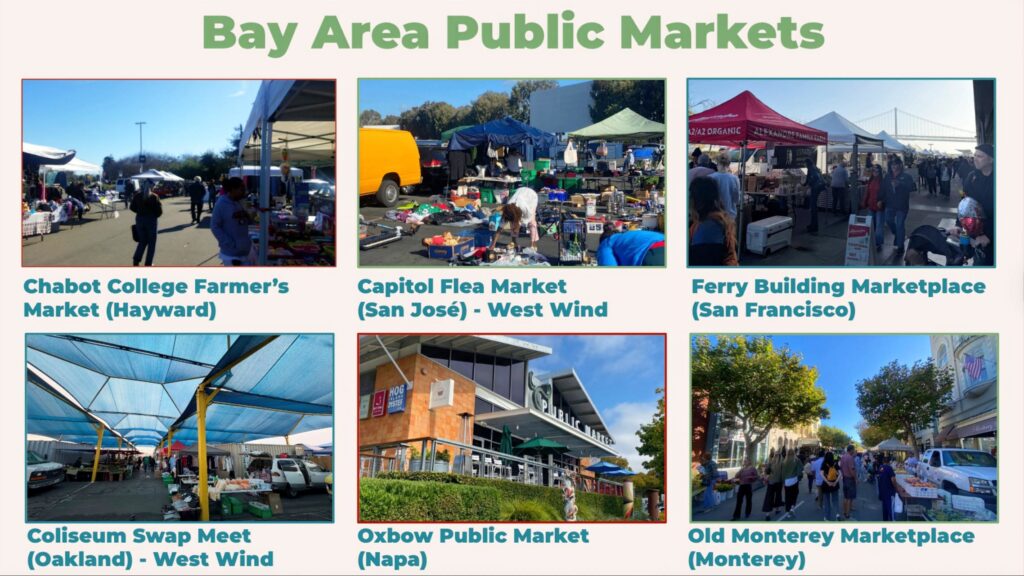
Students also visited a variety of public markets across the Bay Area—including the Old Monterey Marketplace, Capitol Flea Market, Oakland Coliseum Swap Meet, the Ferry Building Marketplace, Oxbow Public Market, and the Chabot Swap Meet—to compare market operating models, and to identify features essential to preserving La Pulga’s unique character.
Meetings with stakeholders
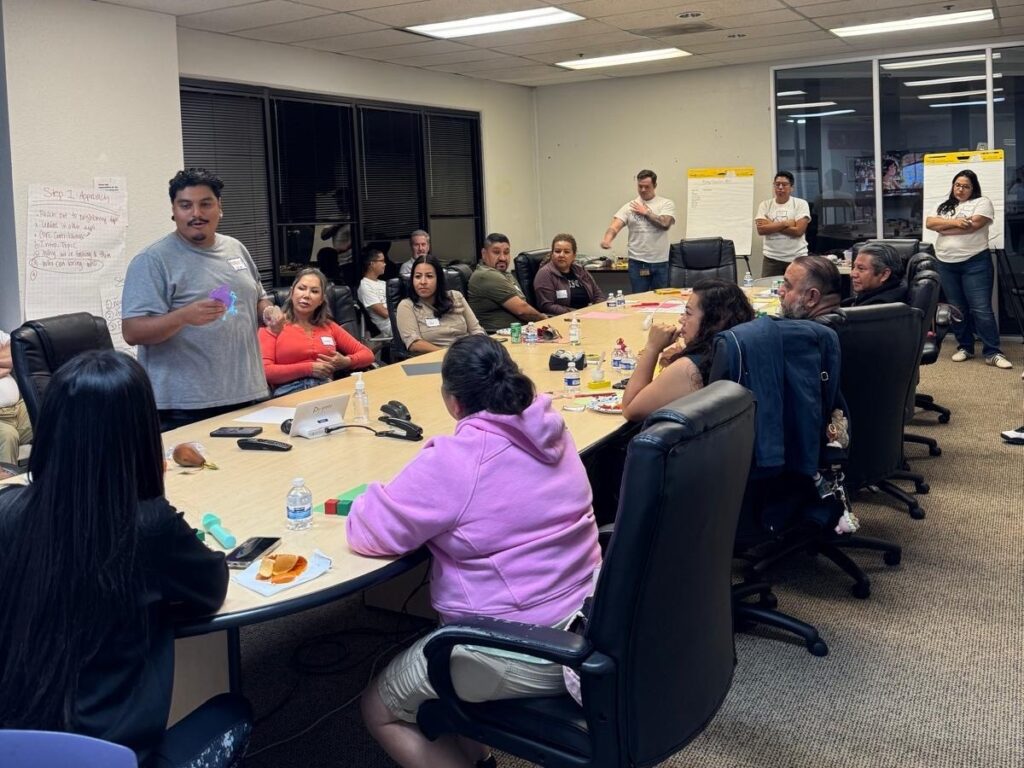
The class met with an array of stakeholders, including: CommUniverCity partners, City of San José staff from the departments of Environmental Services and Economic Development & Cultural Affairs, Berryessa Flea Market Vendors Association (BFVA) leadership, market consultants, and subject-matter experts who have been engaged in the market’s relocation discourse for decades. Through these meetings, students gained insight into regulatory challenges, land-use constraints, historical environmental conditions, and the political history that has shaped La Pulga’s current situation. By meeting with a diverse set of knowledgeable stakeholders, the class ensured community voice—not city precedent alone—drove the students’ conclusions.
Vendor stories
In partnership with BFVA, the class conducted extensive vendor interviews and engagement exercises. These conversations revealed stories of entrepreneurship, resilience, and deep personal connections to the market.
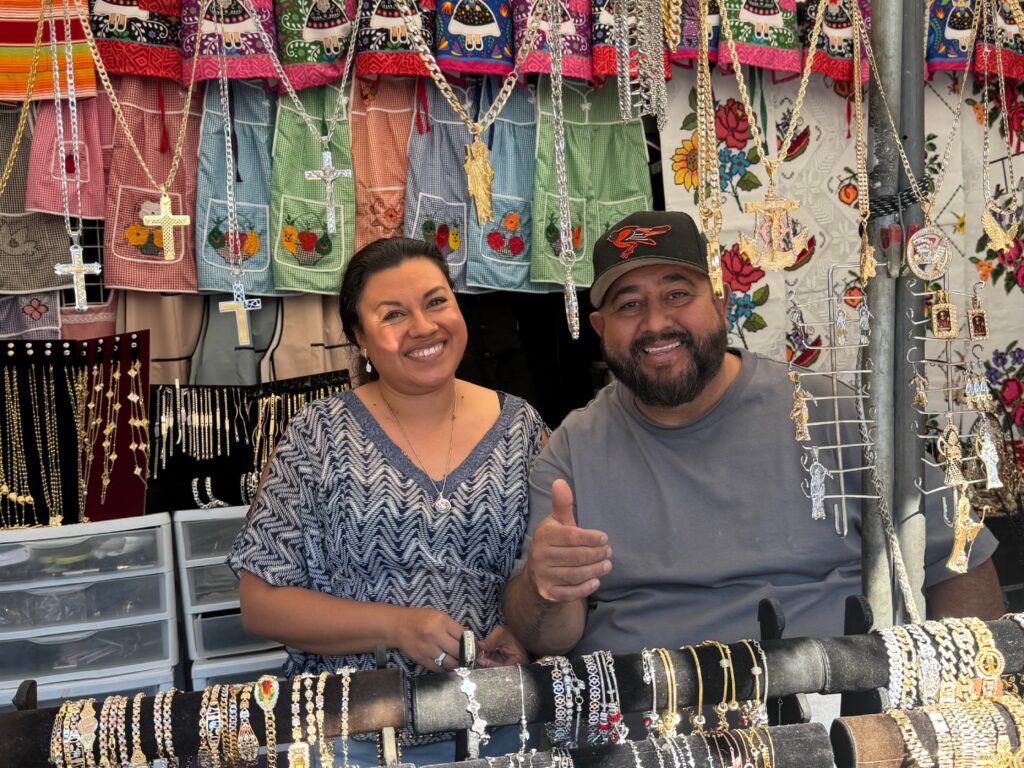
Among them were:
- Don Cayetano, of Cayetano Produce, who rebuilt his business after a devastating stall fire and continues to operate with joy and determination, well into his career.
- Juan, of Creaciones Gigi, whose handmade rosaries evolved into a thriving business shaped by community relationships.
- Israel and Alma, of Monitos USA, whose creative craft business transcends borders and anchors their sense of belonging.
- Alma, of Printos Studio, is a second-generation stall operator whose business was established at the market 38 years ago.
Their stories—along with many others—highlight why the market is irreplaceable and why uncertainty about its future generates fear, frustration, and loss of stability.
Vendor visioning
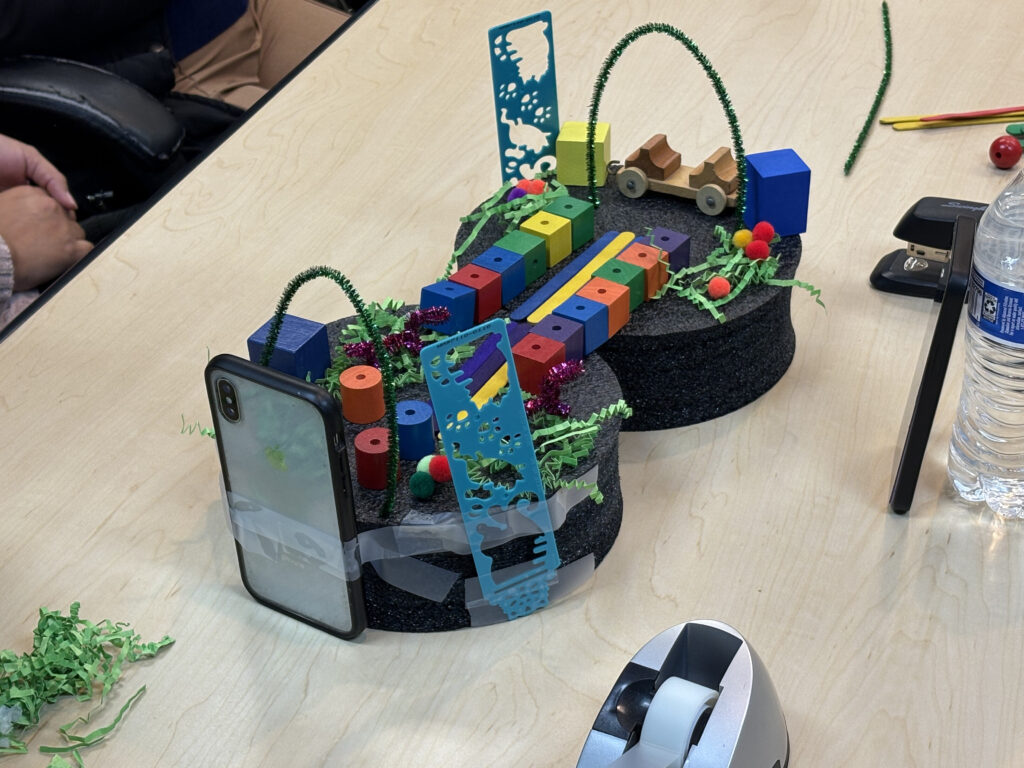
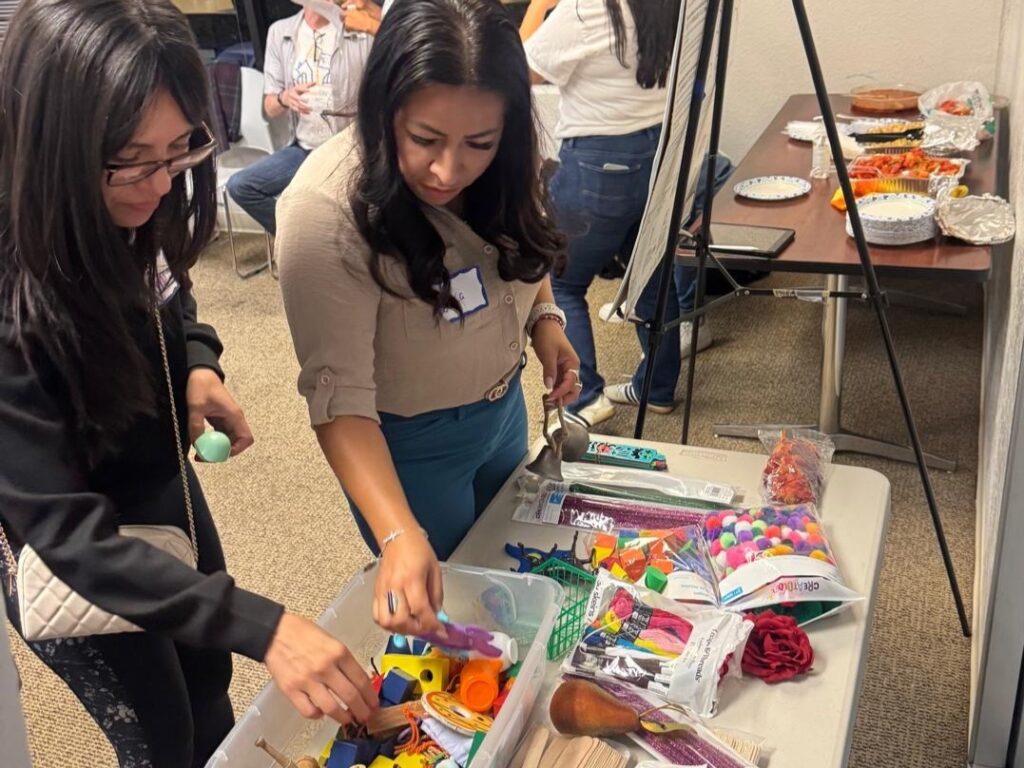
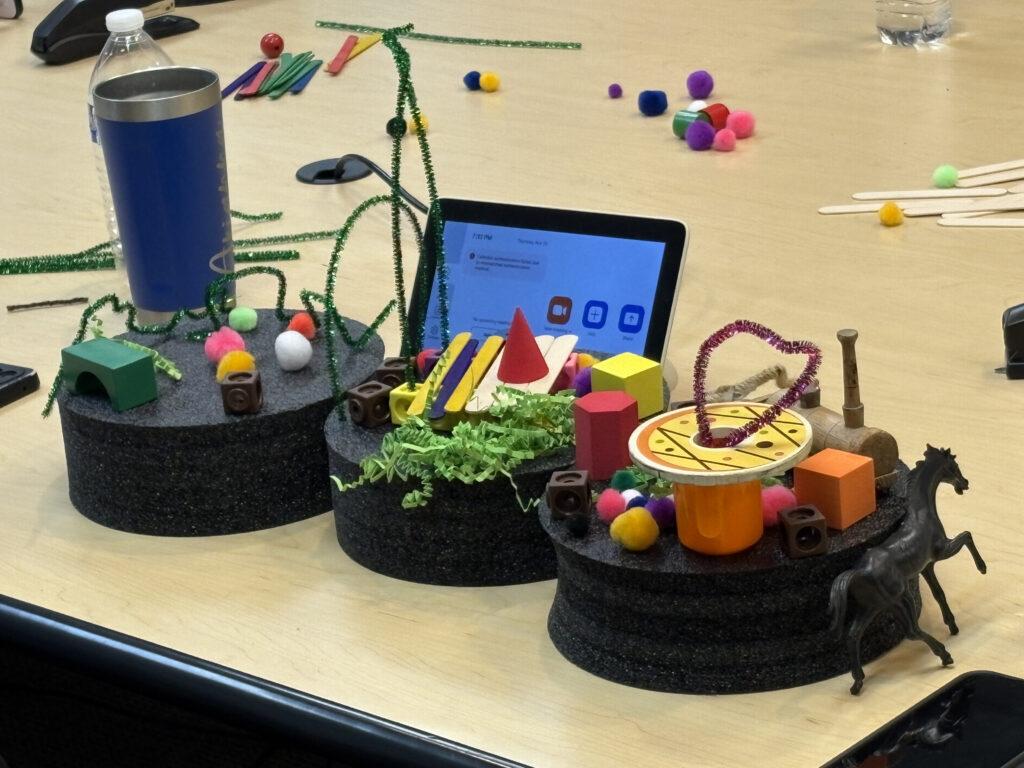
At BFVA meetings, students listened to vendor perspectives, gathered surveys, and created space for individuals to share stories about what La Pulga means to them. Building on collected stories, students facilitated two PlaceIt workshops. The PlaceIt method, developed by urban planner, community activist, educator, and artist James Rojas, is a community engagement tool that targets imagination and play. Random everyday objects, such as string, pipe cleaners, and block-shaped items, are used to create physical designs based on a prompt. Students invited vendors to articulate what the market means to them, and their visions for a relocated and redesigned market, with prompts to build “a memory at the market” for the first workshop, and “their ideal market” at next. Through these sessions, vendors articulated themes around affordable, stable fees; indoor/outdoor hybrid stall formats; circular, communal layouts; cultural programming and family spaces; diverse transportation access; and opportunities for business growth.
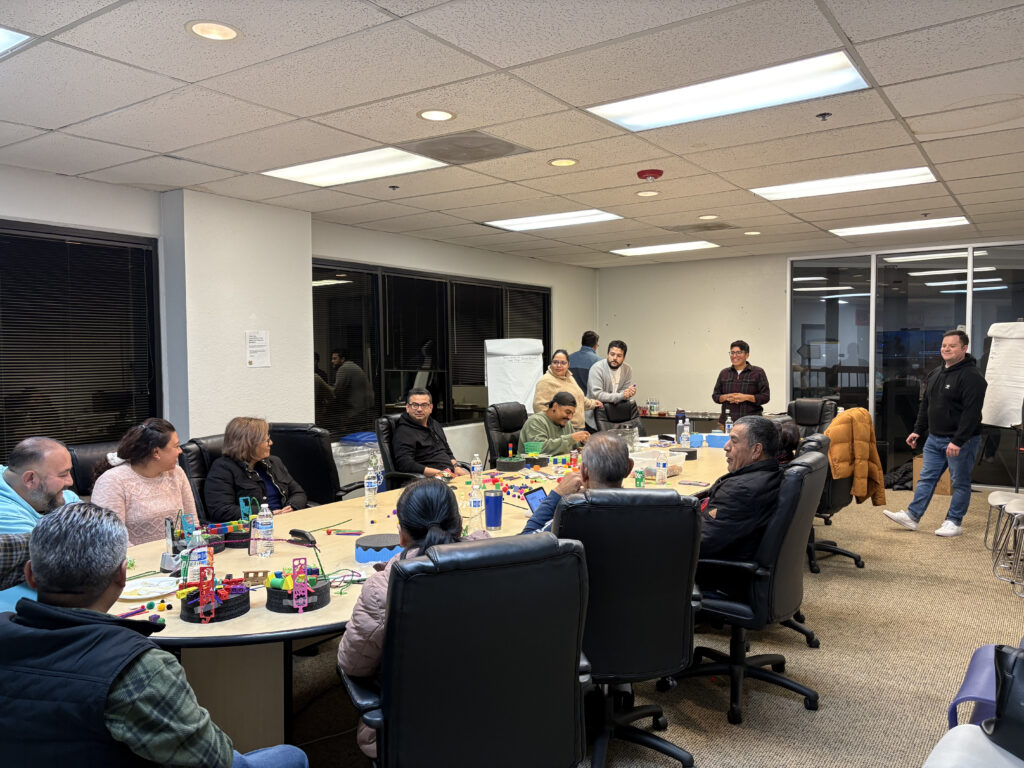
Photo credit: SJSU Capstone Students, Fall 2025
Key findings from our work
From site visits, interviews, research, and engagement, several key findings emerged:
- La Pulga is a unique and irreplaceable public market ecosystem. It supports over 1,000 jobs and 450 small businesses, many of which rely on the low-barrier, flexible economic model that the market provides. The market offers a plethora of amenities and goods that other Bay Area markets lack.
Vendors overwhelmingly want transparency, security, and a seat at the table. - Interviews revealed widespread anxiety about potential closure and frustration with decades-long uncertainty. Vendors are entitled to only one-year’s notice before the official market’s closure, a possibility that has loomed for two decades ever since plans for the Berryessa BART station first emerged. A co-operative model may be explored when redesigning the operations of the market, upon site selection.
A viable future requires public leadership and vendor-centered planning. - Students concluded that preserving the market’s cultural and economic value will require public stewardship, a cooperative governance model, and the prioritization of securing a site that accommodates the scale necessary for profitability and community vibrancy. Operating on private land has presented a volatile market to the vendors, which forms the appeal for selecting a site that is publicly owned and operated.
Redevelopment pressures threaten cultural and economic stability. - The possible reduction of the Flea Market from its historic 60 acres to 5 acres, under the adopted Berryessa BART Urban Village Plan, has placed the market at a real risk of displacement. Owners of the market are not planning to relocate, leaving site selection and development financing up to the vendors. Past research found most potential relocation sites to be unfeasible. Yet, a site that was once sidelined, the Santa Clara County Fairgrounds, has shown renewed promise.
- If the market is to relocate with long-standing preservation, the City of San José and County of Santa Clara must diligently coordinate with vendors to achieve a feasible plan for a market relocation.
Looking ahead
The Fall 2025 Capstone Studio established a foundation for future research by assessing public market models, evaluating planning and policy history, documenting community experiences, and analyzing relocation options. Their report, titled “People, Place, & Priority: The San José Flea Market (La Pulga),” can be found here.
The work will continue with the Spring 2026 Capstone Studio, which will conduct further research on the relocation sites identified by the Fall cohort, while continuing to work with the vendor community, to ensure that any future for La Pulga is grounded in equity, stability, and cultural preservation.
About the authors
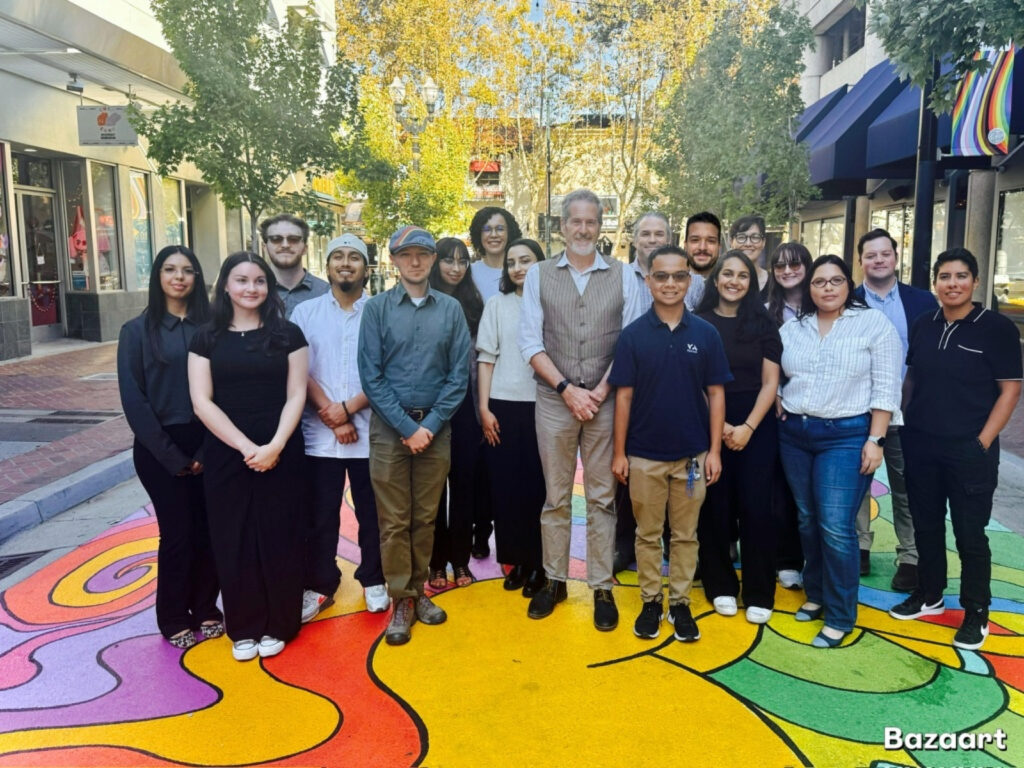
Photo credit: SJSU Capstone Students, Fall 2025